How to make lo-fi beats: BPM, jazzy chords, loose drums and the lo-fi sound
Lo-fi hip-hop puts slow, relaxed hip-hop drums under mellow keys and samples, with a deliberately unpolished sound. Here is the tempo range, jazzy seventh-chord loops in five keys, how to loosen the drums, and how to add the crackle, hiss and tape character.
Lo-fi hip-hop, also called chillhop, combines hip-hop beats with elements of chill-out music, and it is deliberately unpolished: audio imperfections, a fuzzed-out, distorted sound and less professional gear are part of the style. To make a lo-fi beat, start with a mellow loop of keys or a sample, add slow, slightly imperfect drums at about 70 to 90 BPM and a soft bassline, then add texture such as vinyl crackle, tape effects and softened highs.
Lofi BPM
Keep the tempo slow and relaxed: Serato's lo-fi tutorial puts it at 70 to 90 BPM, and MusicRadar says lo-fi tempos are normally 60 to 80 BPM. Both sit inside the 60 to 100 BPM Ableton gives as typical for hip-hop; the BPM by genre chart shows the neighboring styles.
Lofi chords
Jazz and jazz rap are among lofi hip-hop's roots, and lo-fi tracks sometimes use seventh chords, which Native Instruments says give chords "a jazzy sound". Two progressions common in jazz make good loops: the ii-V-I, which jazz plays as Dm7 G7 Cmaj7 in C, and the I-vi-ii-V turnaround. Here they are with seventh chords in five keys:
| Major key | ii7 V7 Imaj7 | Imaj7 vi7 ii7 V7 |
|---|---|---|
| C | Dm7 G7 Cmaj7 | Cmaj7 Am7 Dm7 G7 |
| F | Gm7 C7 Fmaj7 | Fmaj7 Dm7 Gm7 C7 |
| G | Am7 D7 Gmaj7 | Gmaj7 Em7 Am7 D7 |
| Bb | Cm7 F7 Bbmaj7 | Bbmaj7 Gm7 Cm7 F7 |
| Eb | Fm7 Bb7 Ebmaj7 | Ebmaj7 Cm7 Fm7 Bb7 |
Played from their roots, the chords jump around. For a smoother loop, keep the thirds and sevenths close: F and C for Dm7, F and B for G7, E and B for Cmaj7, with the roots D, G and C in the bass. Play them on vintage-sounding keys (Serato's tutorial says "Vintage keyboards are the best to use") or start from a sample. Native Instruments adds that lo-fi progressions often do not fully resolve, which gives a "floating" feeling: try Cmaj7 Am7 (Imaj7 vi7), or Fmaj7 Em7 Am7 (IVmaj7 iii7 vi7), which never reaches the I chord. The piano chords chart spells every seventh chord, and you can try these loops on the virtual piano. For more loops in every key, see chord progressions in every key.
Lofi drums: slow, dusty and a little loose
Serato's advice is to let the drums sound imperfect. J Dilla, who is often associated with the development of lofi, is known for loose, "drunk" drum programming that avoided quantization: he turned the quantize feature off on his Akai MPC3000 and played straight and swung rhythms against each other. In your DAW you can play the drums in by hand, or switch off snap to grid and nudge a few hits slightly early or late. For a swung feel, FL Studio's Channel Rack has a Swing knob that swings step-sequencer patterns, and in Ableton Live you can drag a groove onto the clip. MusicRadar's lo-fi tutorial also lowers the velocity of the hi-hats on the "ands". For a starting pattern, see the boom bap grid in the drum patterns guide.
Bass
Keep the bassline mellow and rhythmic, and write it around the drum beat so the two lock together. Basslines usually lean on the root, third or fifth of each chord, so start by playing the roots of the loop: D, G and C under the ii-V-I in C.
The lo-fi sound
Lo-fi music has long kept the things a polished studio removes: misplayed notes, background noise and the imperfections of the recording itself, such as degraded audio and tape hiss. A slight pitch wobble, like tape running at an uneven speed, is part of the sound too. Lo-fi recordings tend to have little or nothing above 10 kHz, so a low-pass filter or EQ that rolls off the highs goes a long way (see low-pass and high-pass filters). Lofi hip-hop leans on samples from sources like retro video games, old cartoons, self-help tapes and public access television, and the Roland SP-404 sampler is a popular part of the setup. Serato suggests samples such as crackling fire or vinyl scratching, and crusher effects; Ableton Live's Vinyl Distortion effect has a crackle generator.
If your beat uses a sample of someone else's recording, know that sampling without permission can infringe copyright, and getting permission, a process called clearance, can be lengthy, complex and costly. Sample packs come with a license that sets what you may do with the sounds, so read it before you release.
How to make a lo-fi beat, step by step
Serato's five steps, in short (the how to make a beat guide walks through any beat from drums to arrangement, and the hip-hop beats guide covers the boom bap roots):
- Start with a mellow loop: chords on vintage-sounding keys, or a sample.
- Add a slow, dusty drum beat at 70 to 90 BPM, and let it sound a little imperfect.
- Add a mellow bassline that works with the drums.
- Add effects and samples: a crusher effect, and textures such as crackling fire or vinyl scratching.
- Mix it so every part sits at a similar level and no element overpowers the rest; take sharpness out with EQ, so the beat sounds like one package.
Where lo-fi hip-hop comes from
Lofi hip-hop became popular in the 2010s on YouTube, helped by 24/7 live streams such as Lofi Girl's "lofi hip hop radio - beats to relax/study to" and by compilation videos. The Japanese producer Nujabes, often called the godfather of lofi hip-hop, is credited with driving its growth with his music for the anime Samurai Champloo; MF Doom and Madlib's 2004 album Madvillainy is regarded as a "shared touchstone" for the style; and J Dilla is often associated with its development.
Lo-fi with Vitric plugins
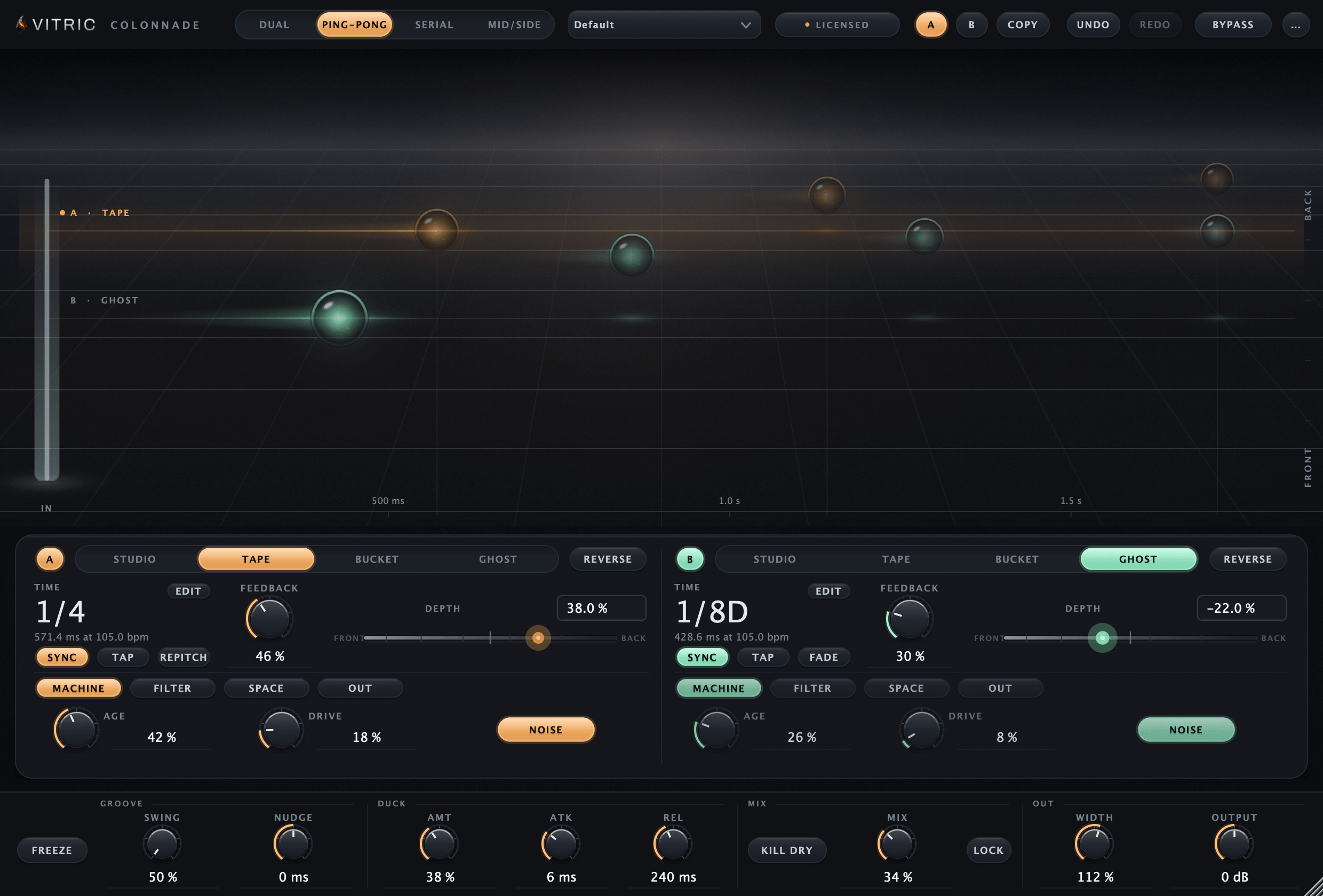
- Colonnade Delay: its Tape character adds program-dependent saturation, a head bump, high-frequency loss that tracks the tape speed, and wow and flutter built from measured machine behavior to the repeats. Ghost reduces the repeats to 7 bits (companded, from 14) and adds a dark low-pass, deep warble and crackle. An Age control per engine sweeps Tape and Ghost from new to worn.
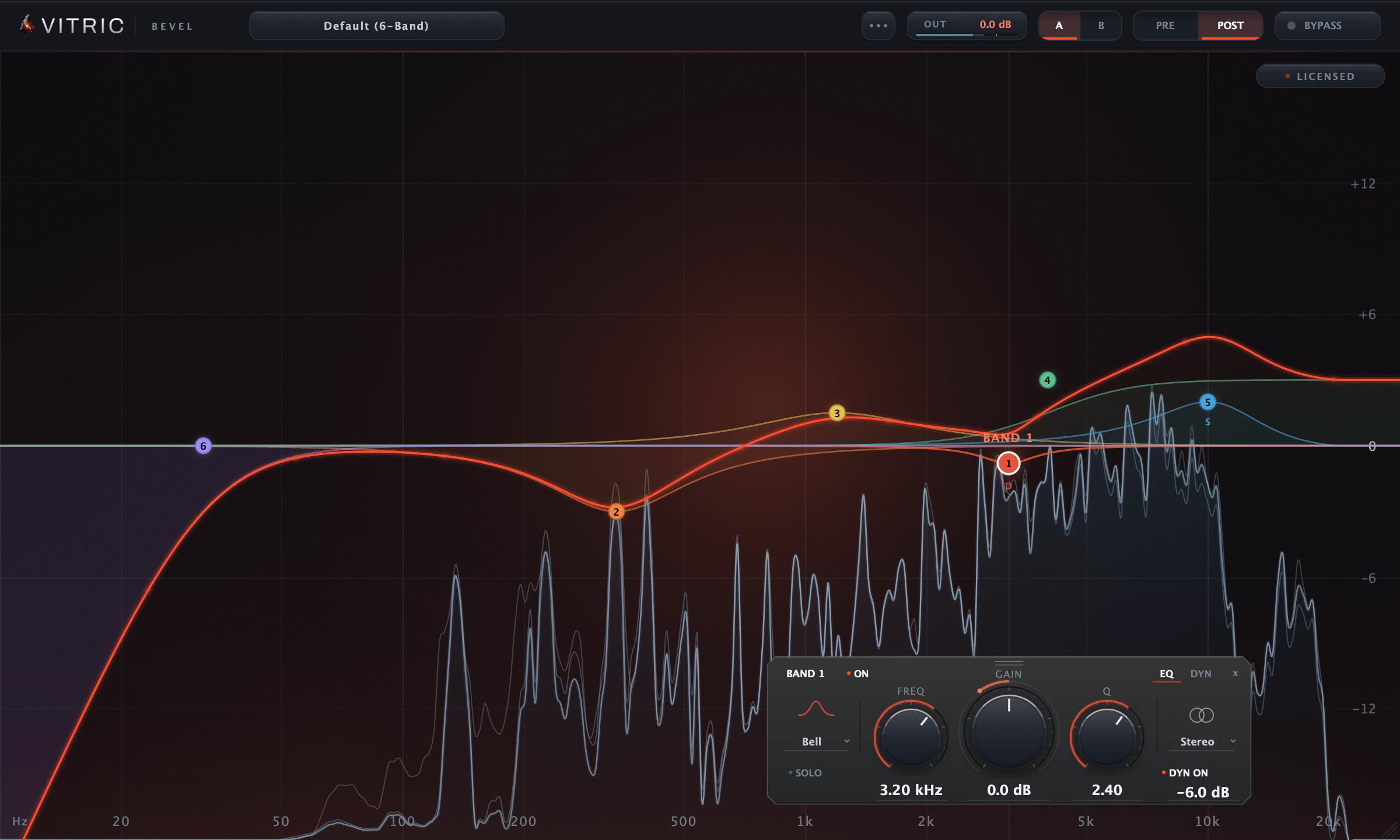
- Bevel EQ: low-pass bands from 12 to 96 dB/oct to roll off the highs; its manual lists lo-fi moves among the low pass's uses.
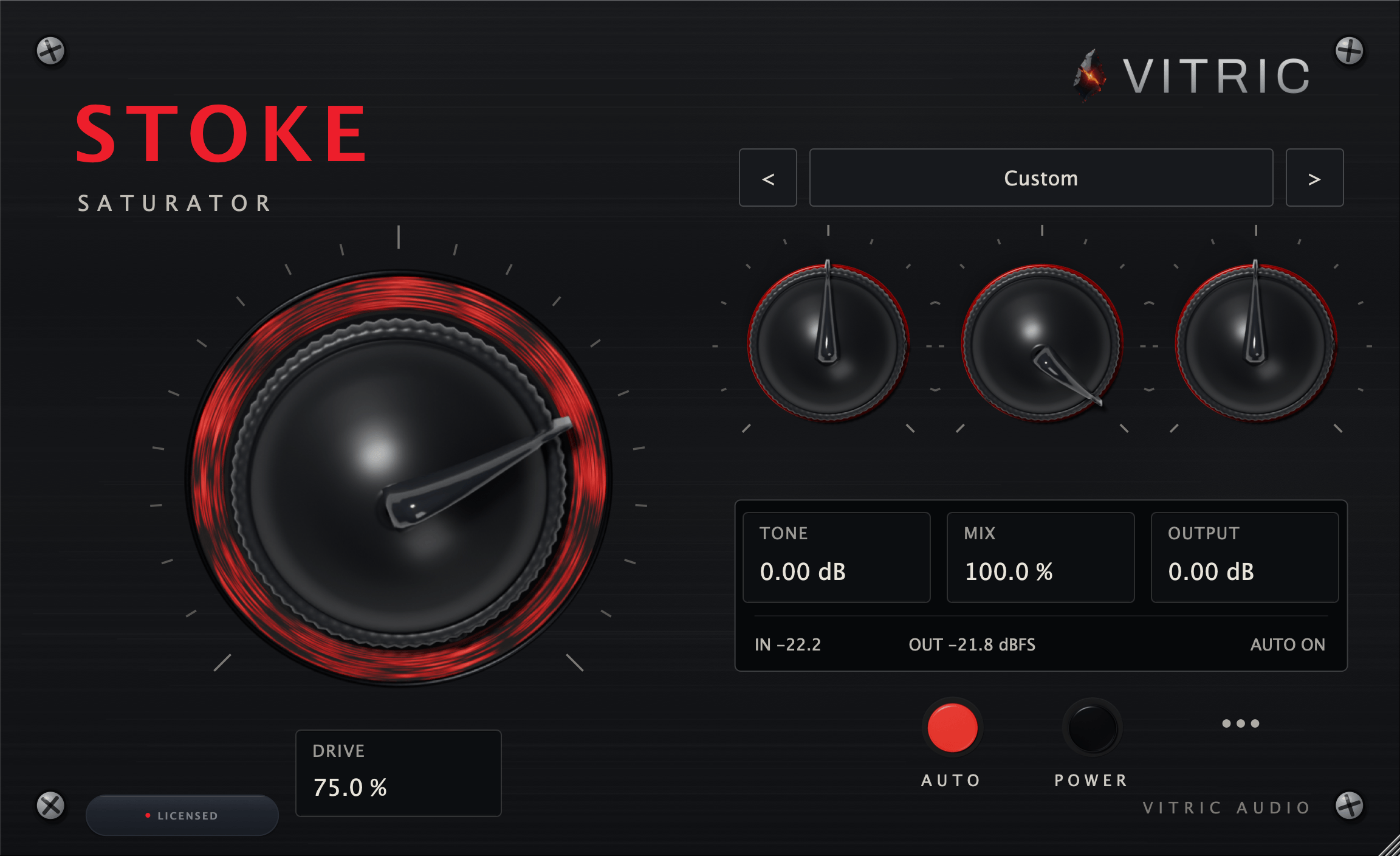
- Stoke Saturator: adds harmonic distortion for density, and its Mix control blends it with the dry track.
Questions
What BPM is lofi?
About 70 to 90 BPM, slow and relaxed.
What chords are used in lofi?
Lo-fi tracks sometimes use seventh chords, such as the ii-V-I (Dm7 G7 Cmaj7 in C) and the I-vi-ii-V turnaround (Cmaj7 Am7 Dm7 G7).
How do you make drums sound lofi?
Keep them slow and a little loose: play them in or turn off snap and add swing, use dusty, older-sounding samples, rough them up with crackle and saturation, and take the highs down with a low-pass filter.
What makes a beat lofi?
A slow hip-hop beat, mellow chords or samples, and a deliberately unpolished sound with audible imperfections.