Launch sale through September 30: 10 plugins on sale · 2 freeGet the free plugins

Press kit

The reviewer kit.

Boilerplate, product fact sheets and real interface renders for coverage of Vitric. Everything on this page is factual and publishable as-is. Review copies and questions: support@vitricaudio.com.
On this page

Vitric Audio builds the plugins used at Studio 4, a working recording studio in Cleveland, Ohio. The line covers 11 plugins: Bevel EQ, a 24 band parametric equalizer with filter slopes to 96 dB/oct and per-band stereo placement; Caliper Compressor, a character compressor with four circuit behaviours (FET, Opto, Tube and Clean); the Harmonic Multiband Compressor, a 6 band multiband compressor built around a dual-stage saturation engine; Halo Reverb, an algorithmic reverb with eight spaces, each its own engine; Colonnade Delay, a dual-engine character delay staged on a real depth axis; Iron Summing, a console-style summing system; Burnish Vocal Chain, a lead-vocal chain with fully local reference analysis; Plinth Subharmonic Synthesizer, a phase-locked sub generator that shows what it found; Stoke Saturator, a one-voice saturator with measured contracts; Chamfer De-Esser, a de-esser with a level-tracked threshold and clickable esses; and Kiln Synthesizer, a three-oscillator synthesizer with the Glass modal resonator and Anneal, which breeds patches toward a dropped sound. All ship as VST3 and AAX for Windows, and VST3, AU and AAX for macOS. Every plugin is tested in the studio's own sessions before it ships.

One-line version: Vitric builds EQ, compression, reverb, delay, summing, vocal, saturation, de-essing and synthesizer plugins inside a working recording studio in Cleveland, Ohio.

Status
Live. The store opened August 28, 2026.
Line
11 released plugins
Trials
3 days, full function, free
Formats
VST3 · AU · AAX
Platforms
Windows 10+ · macOS, Intel and Apple Silicon, every plugin
Hosts
Any DAW that loads VST3, AU or AAX
Pricing
Current prices, active offers and checkout availability are shown on every product page.
Made in
Studio 4, Cleveland OH
Press contact
support@vitricaudio.com

System requirements in full: Windows: Windows 10 or later, 64-bit. VST3, AAX, Standalone. macOS: macOS 10.15 or later on Intel; macOS 11 or later on Apple Silicon. AU, VST3, AAX. Hosts: A 64-bit host supporting your platform’s plugin format. Your DAW may require a newer operating system.
Bedroom Producers Blog: Bevel EQ launch coverage (September 2026). This is coverage of the launch offer; current pricing and availability live on the Bevel EQ page.

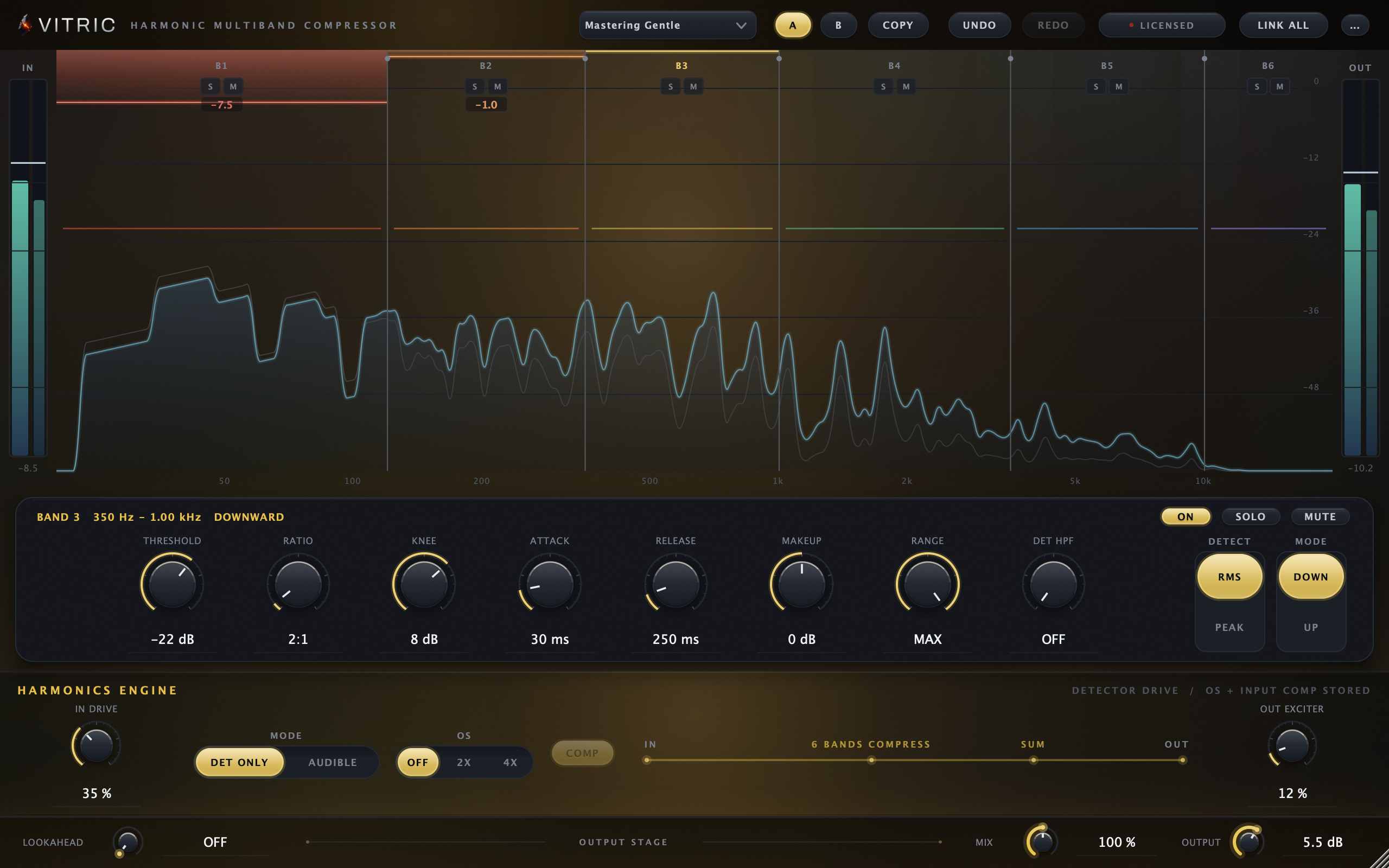
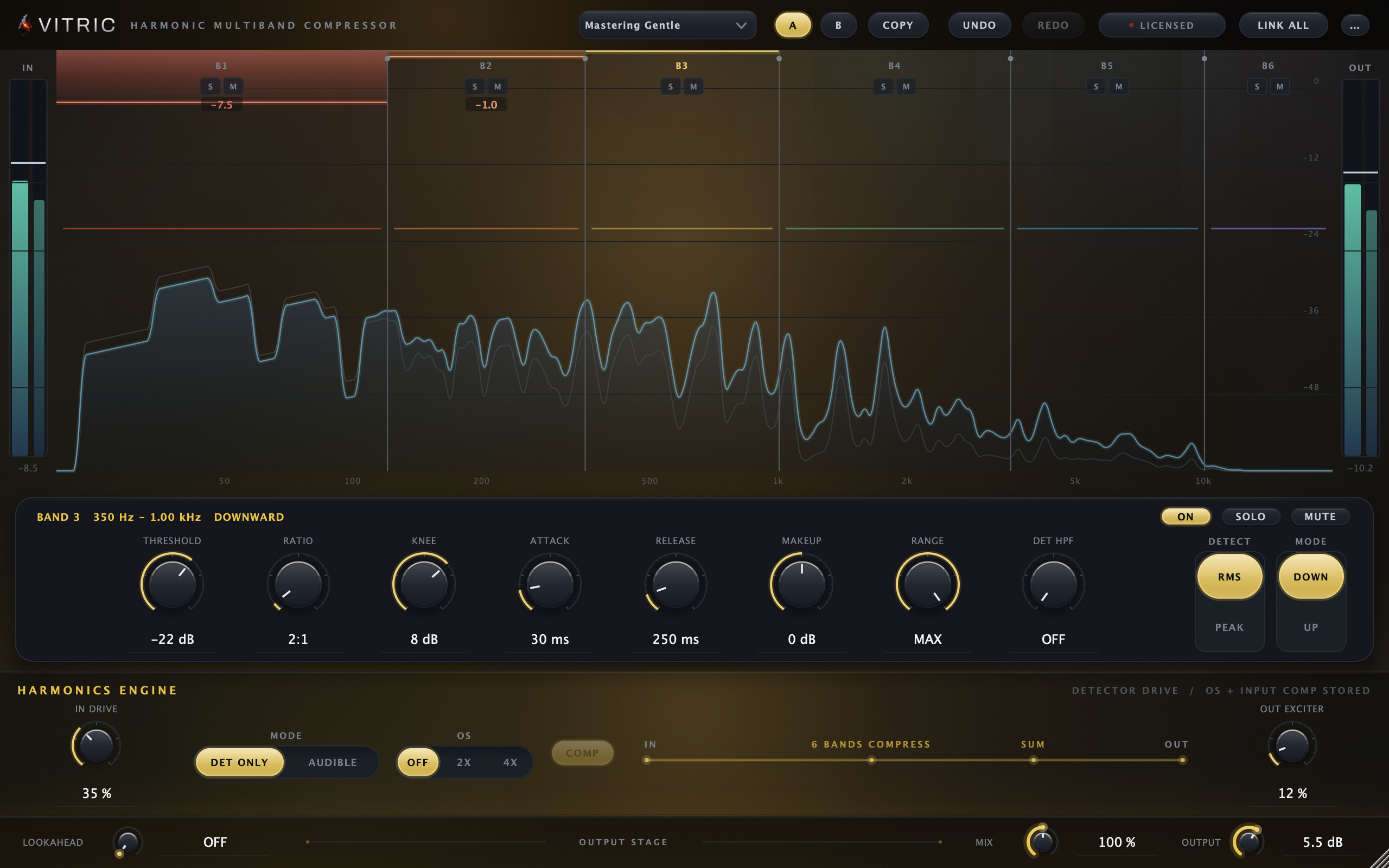
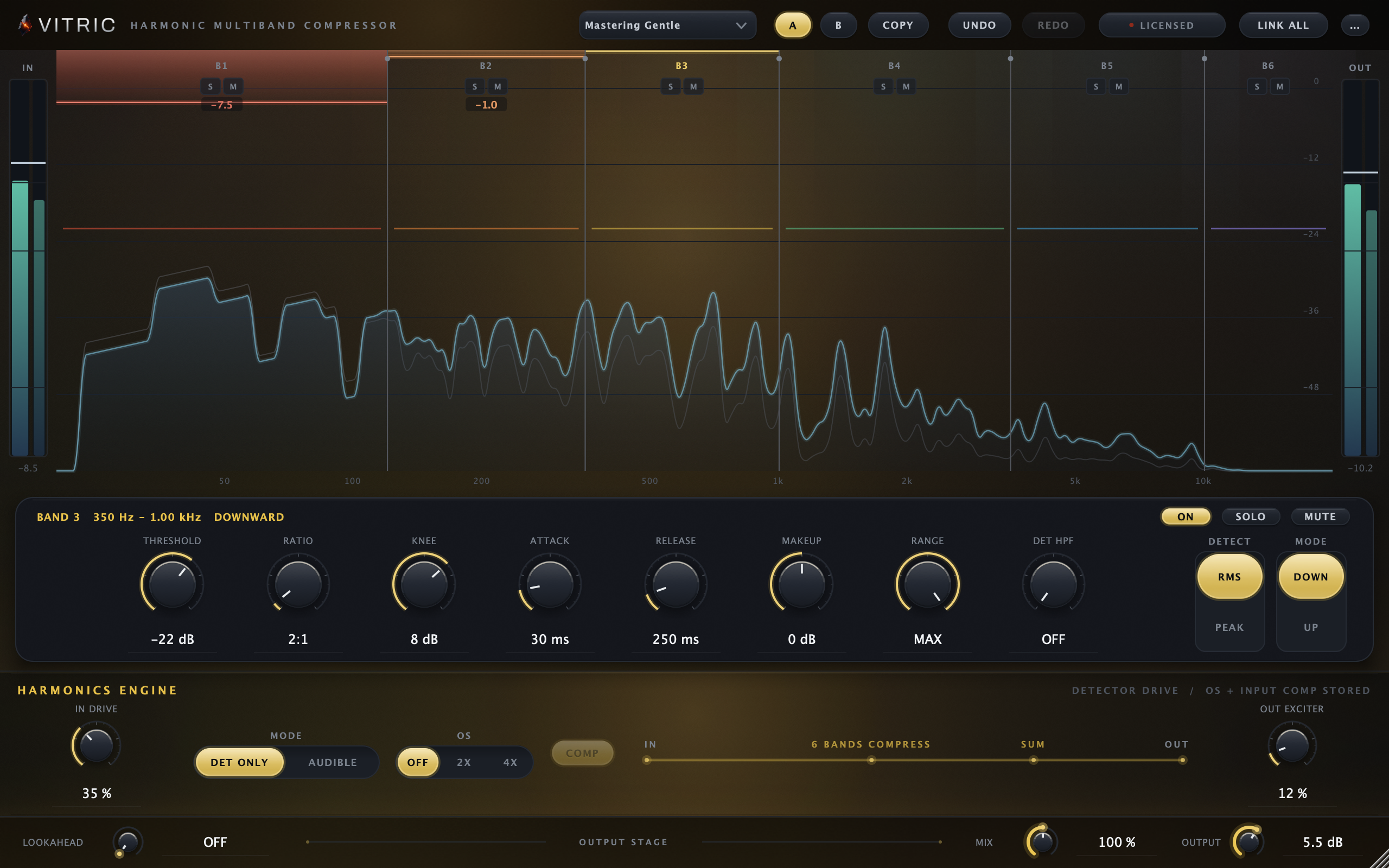
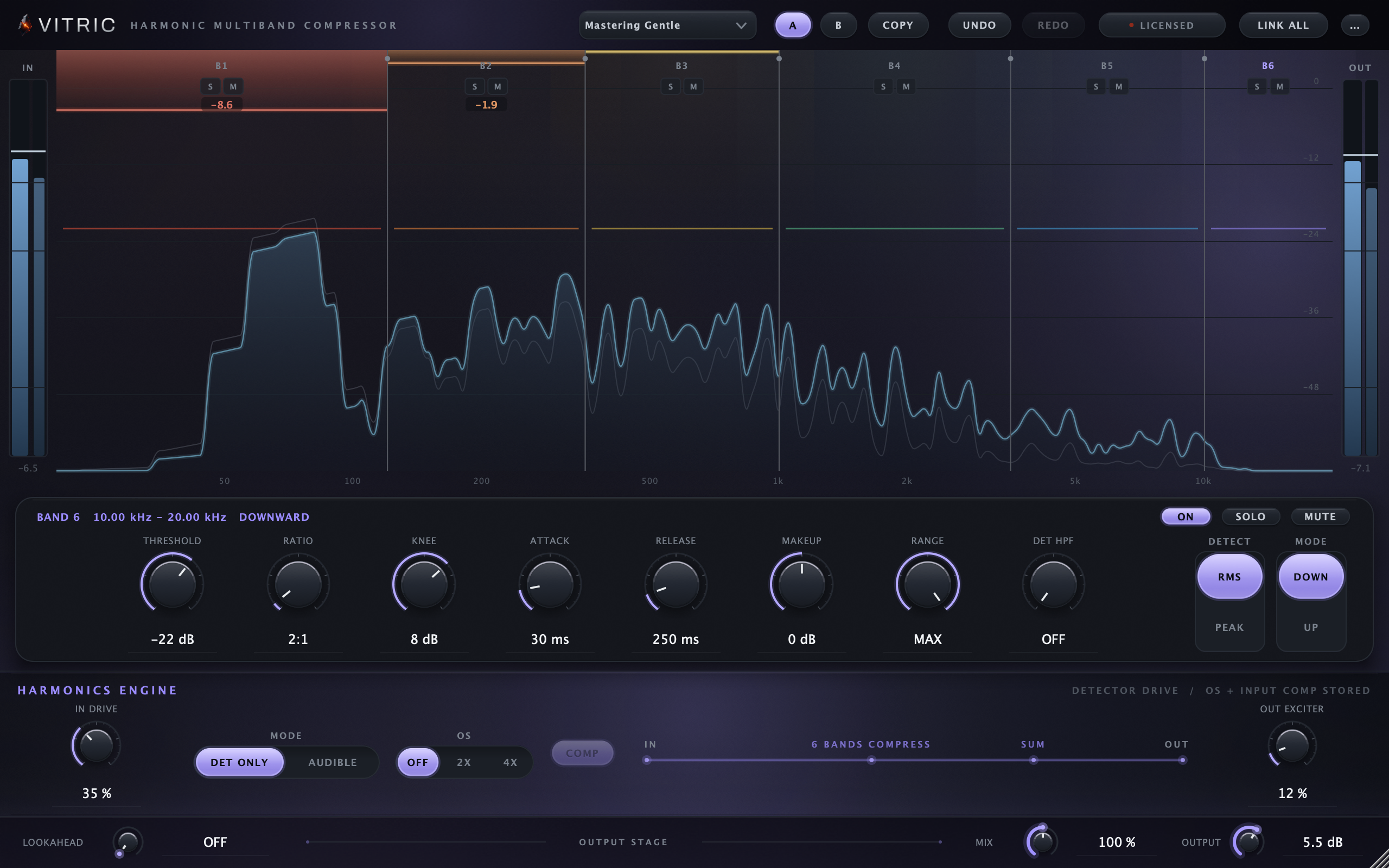
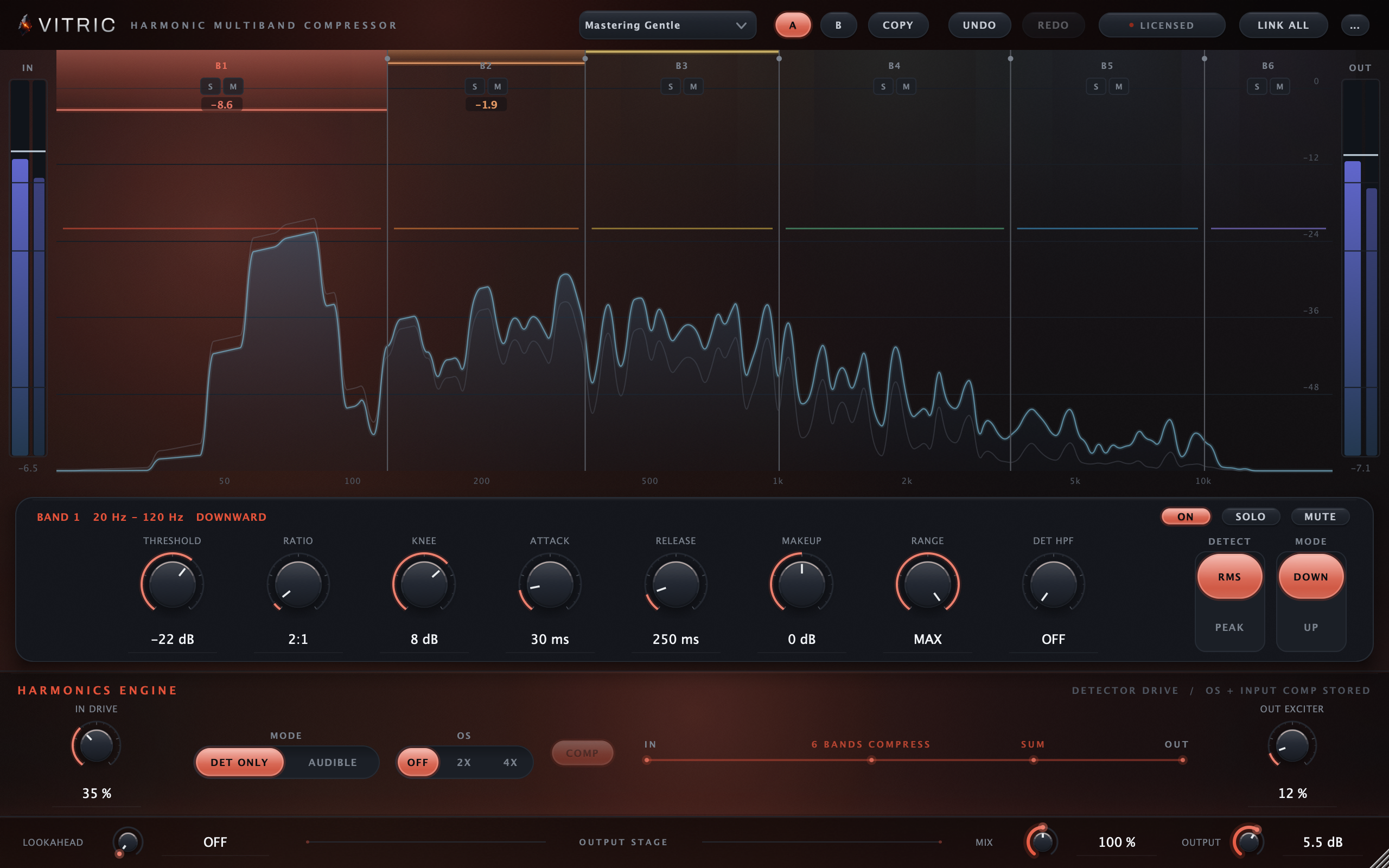
Harmonic Multiband Compressor 2.1 licensed on a 172 bpm mix: six lit band chambers with gain-reduction curtains on the low bands, the dim pre trace under the lit post fill, the band 3 control row reading 350 Hz to 1.00 kHz, and the Harmonics Engine with IN DRIVE at 35 percent
Fig 01 · Harmonic Multiband Compressor · Real render, not a mockup
  • Multiband Dynamics
  • v2.1.0
  • VST3 · AU · AAX

Harmonic Multiband Compressor

Control the bands. Shape what drives them.

Control six frequency regions independently, add input harmonics before compression, and bring out detail with a separate output exciter.

Bands
6 with 5 ordered, movable crossovers
Dynamics
Down/Up; Range 0–60 dB, upward cap 30 dB
Detector
RMS/Peak choice and high-pass per band
Input harmonics
Global drive; Detector Only / Audible; input COMP
Output harmonics
Post-sum exciter; independent level matching
Oversampling
Off / 2x / 4x on audible input
Lookahead
0–10 ms
Mix
0–100% dry/wet; 100–200% additive wet gain
Platforms
Windows 10+ (64-bit); macOS 10.15+ Intel / 11+ Apple Silicon
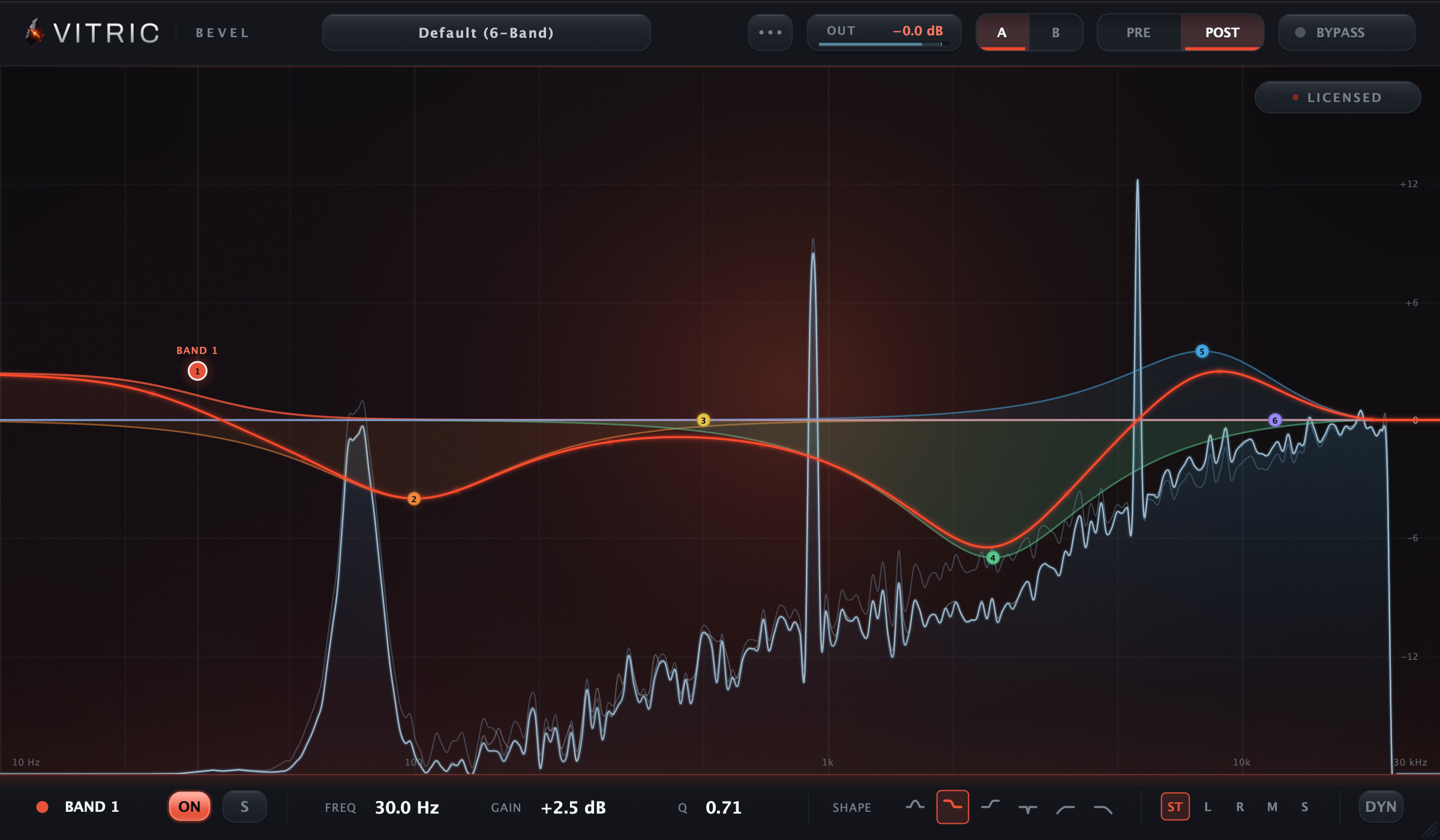
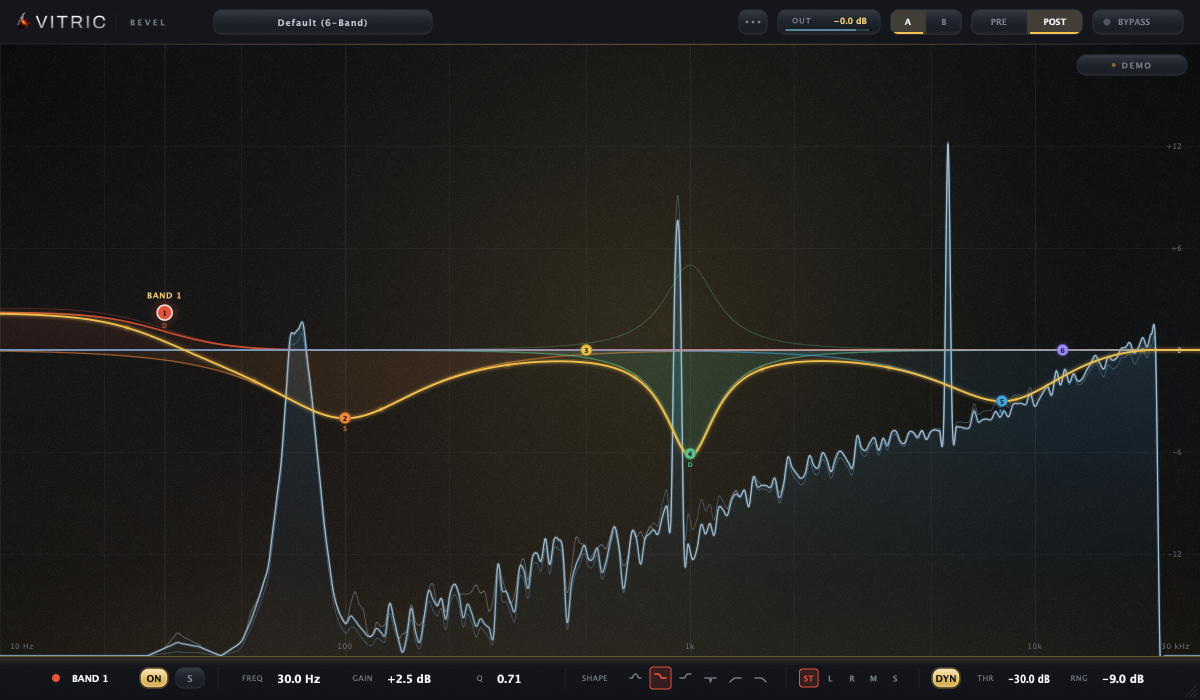
Bevel EQ 1.2 on a full mix: six working bands, the ember summed curve, the band plate open on a dynamic bell, and both analyzer traces drawn from real music
Fig 02 · Bevel EQ · Real render, not a mockup
  • Parametric EQ
  • v1.2.0
  • VST3 · AU · AAX

Bevel EQ

The first-call EQ.

A 24-band EQ for cleanups, broad tone moves and dynamic cuts. Put each band in stereo, left, right, mid or side, and work directly on the spectrum.

Bands
24, freeform
Per band
Stereo / L / R / Mid / Side · solo · dynamic on bells and shelves
Dynamics
Threshold -72 to 0 dB · signed range ±24 dB
Filter slopes
12 to 96 dB/oct
Analyzer
Pre + post together, 4096 to 16384-pt FFT
Oversampling
Zero Latency / 2x / 4x, host-compensated
Mono-maker
20 to 500 Hz, 24 dB/oct
Formats
VST3 and AAX on macOS and Windows · AU on macOS
Platforms
Windows 10+ (64-bit) · macOS 10.15+ Intel / 11+ Apple Silicon
Made in
Studio 4, Cleveland OH
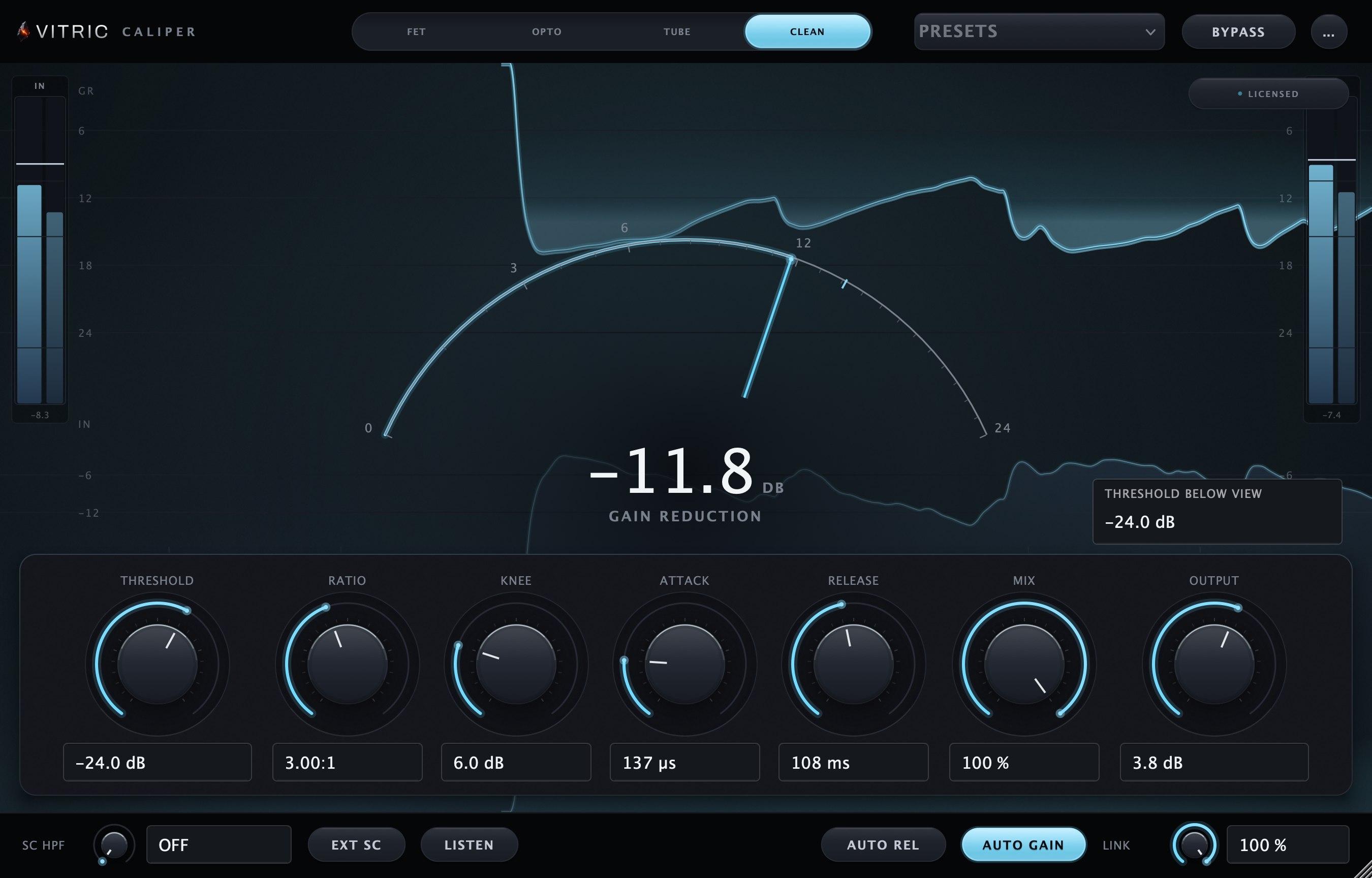
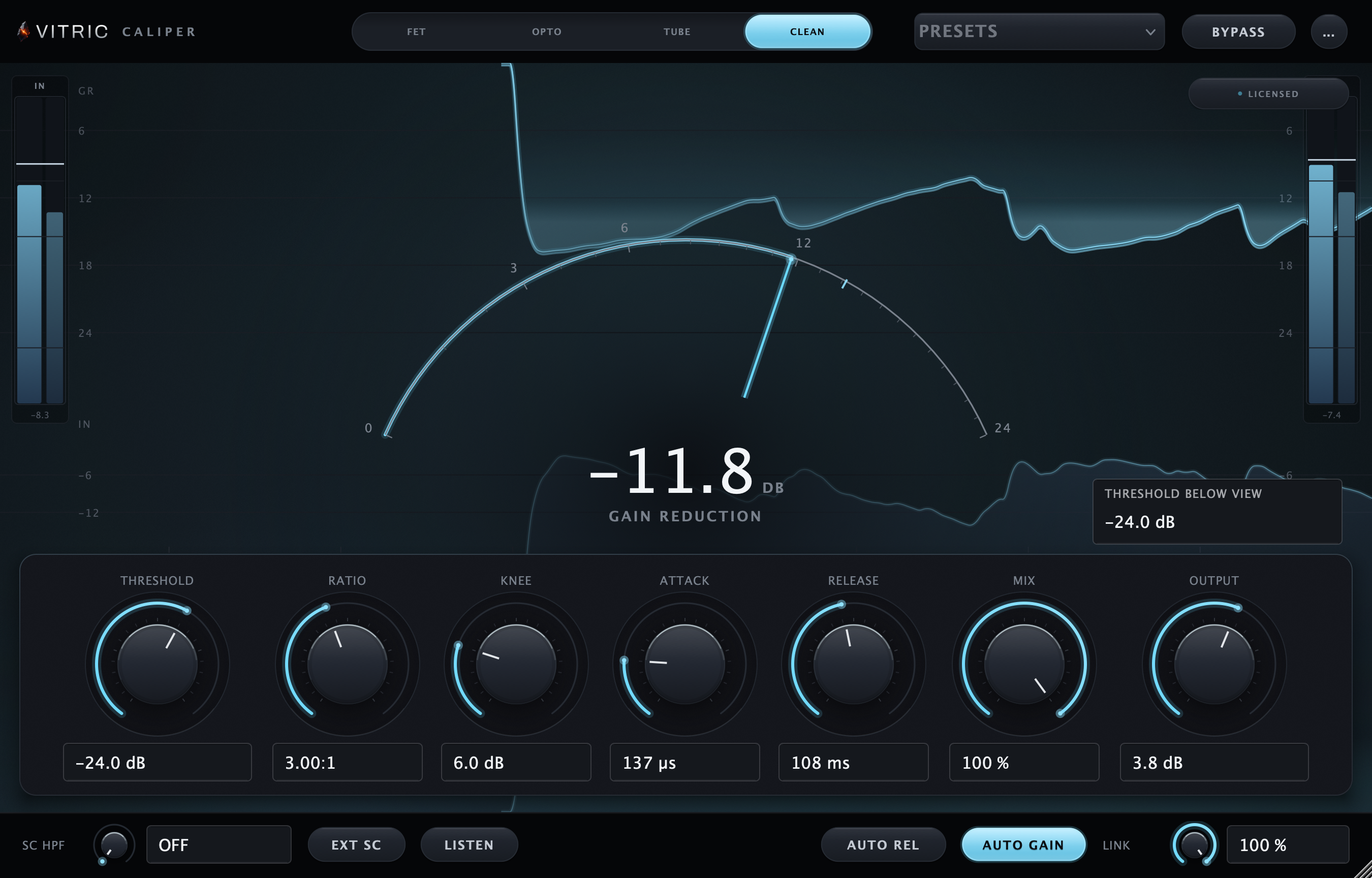
Caliper Compressor 1.1.0 in Clean mode on a full mix: the gain-reduction curtain and input history across the display, the needle at 11.8 dB, and the control bar reading −24.0 dB, 3.00:1, 6.0 dB, 137 µs, 108 ms, 100 % and 3.8 dB
Fig 03 · Caliper Compressor · Real render, not a mockup
  • Character Compressor
  • v1.1.0
  • VST3 · AU · AAX

Caliper Compressor

Four machines. One sheet of black glass.

Four compression characters for drums, vocals and the mix bus: fast FET, smooth Opto, rounded Tube and transparent Clean, with parallel mix and sidechain control.

Modes
FET · Opto · Tube · Clean
Sidechain
Internal / external, HPF, listen
Stereo link
0 to 100 %, louder-channel detector
Latency
Zero
Formats
VST3 and AAX on macOS and Windows · AU on macOS
Platforms
Windows 10+ (64-bit) · macOS 10.15+ Intel / 11+ Apple Silicon
Made in
Studio 4, Cleveland OH
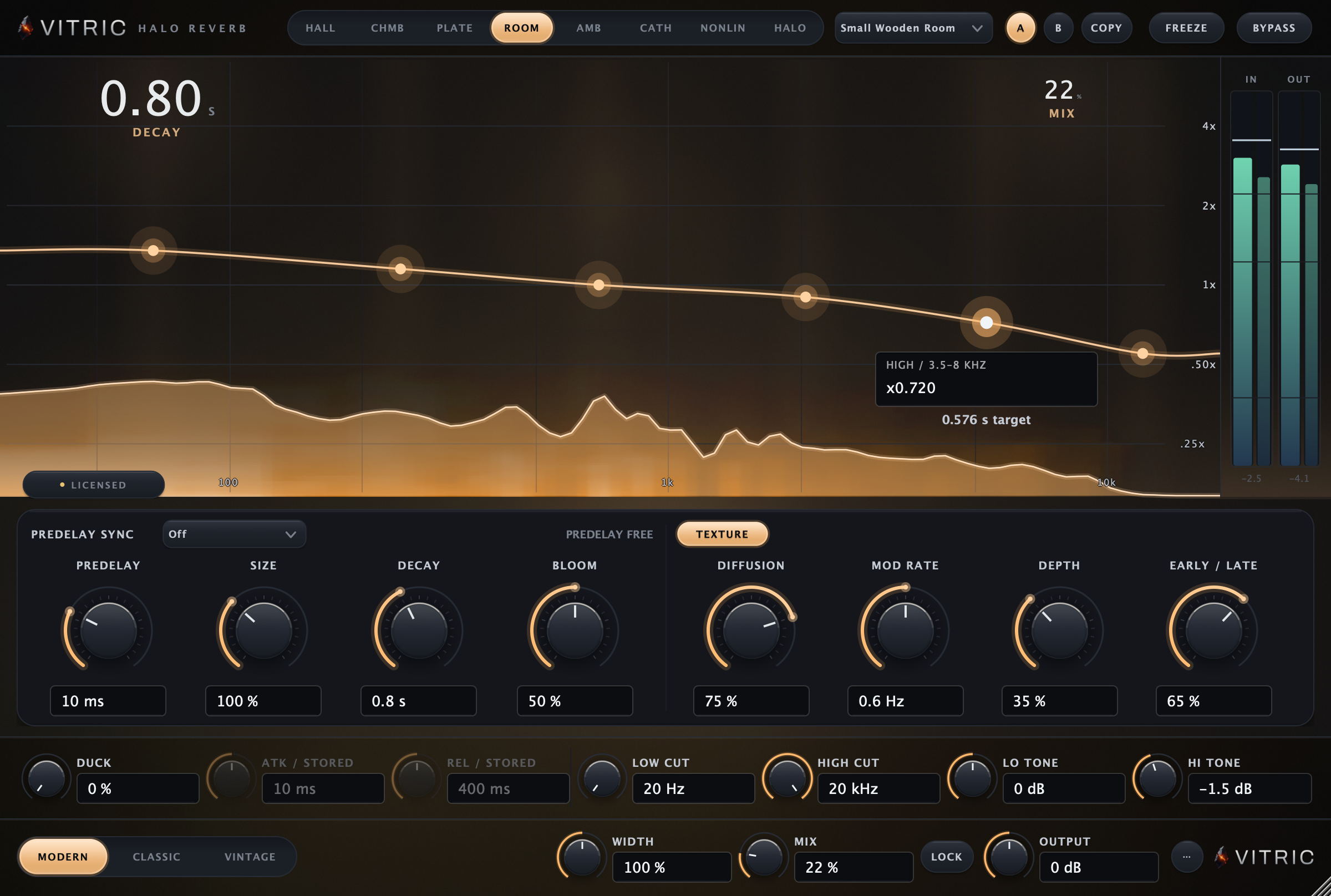
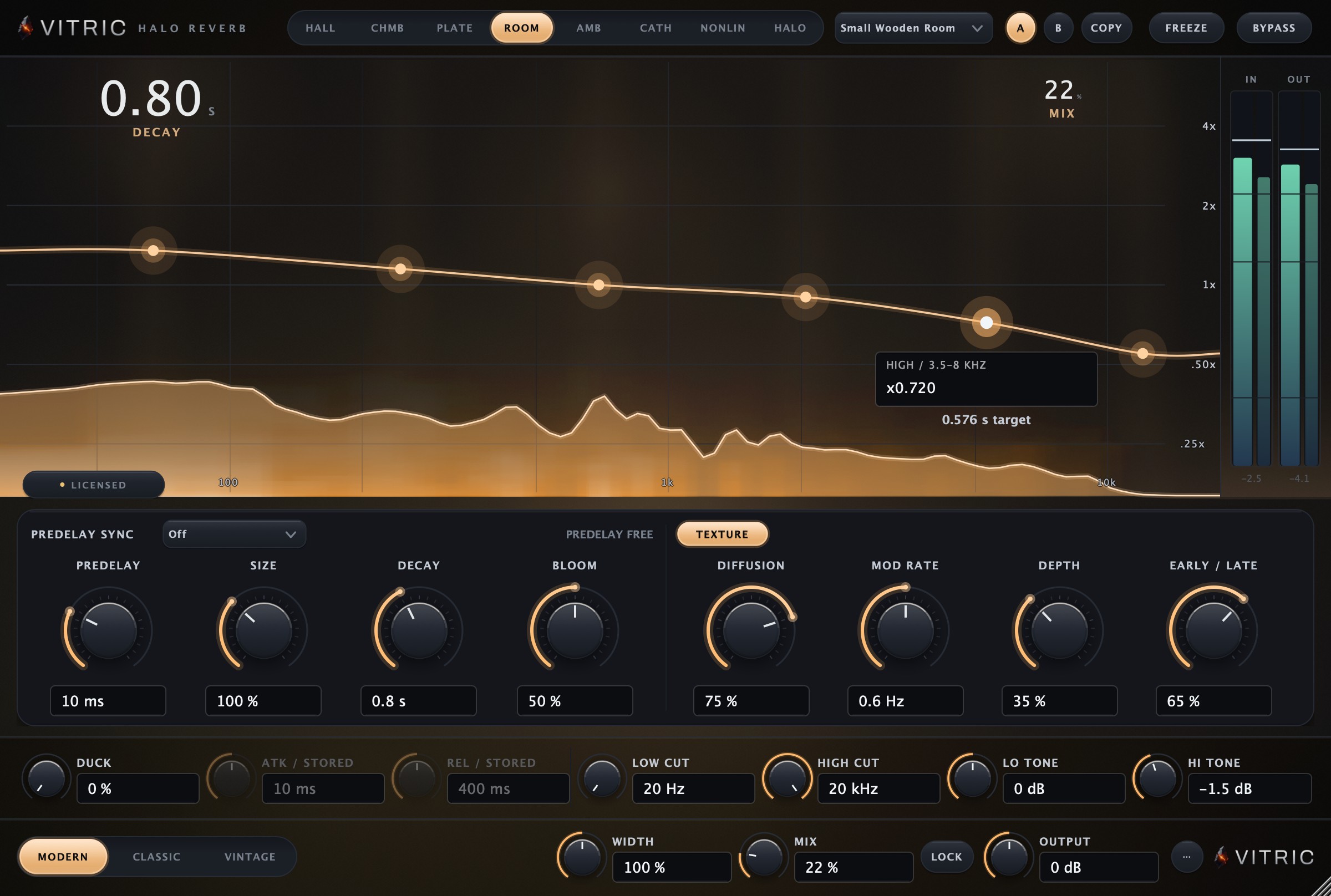
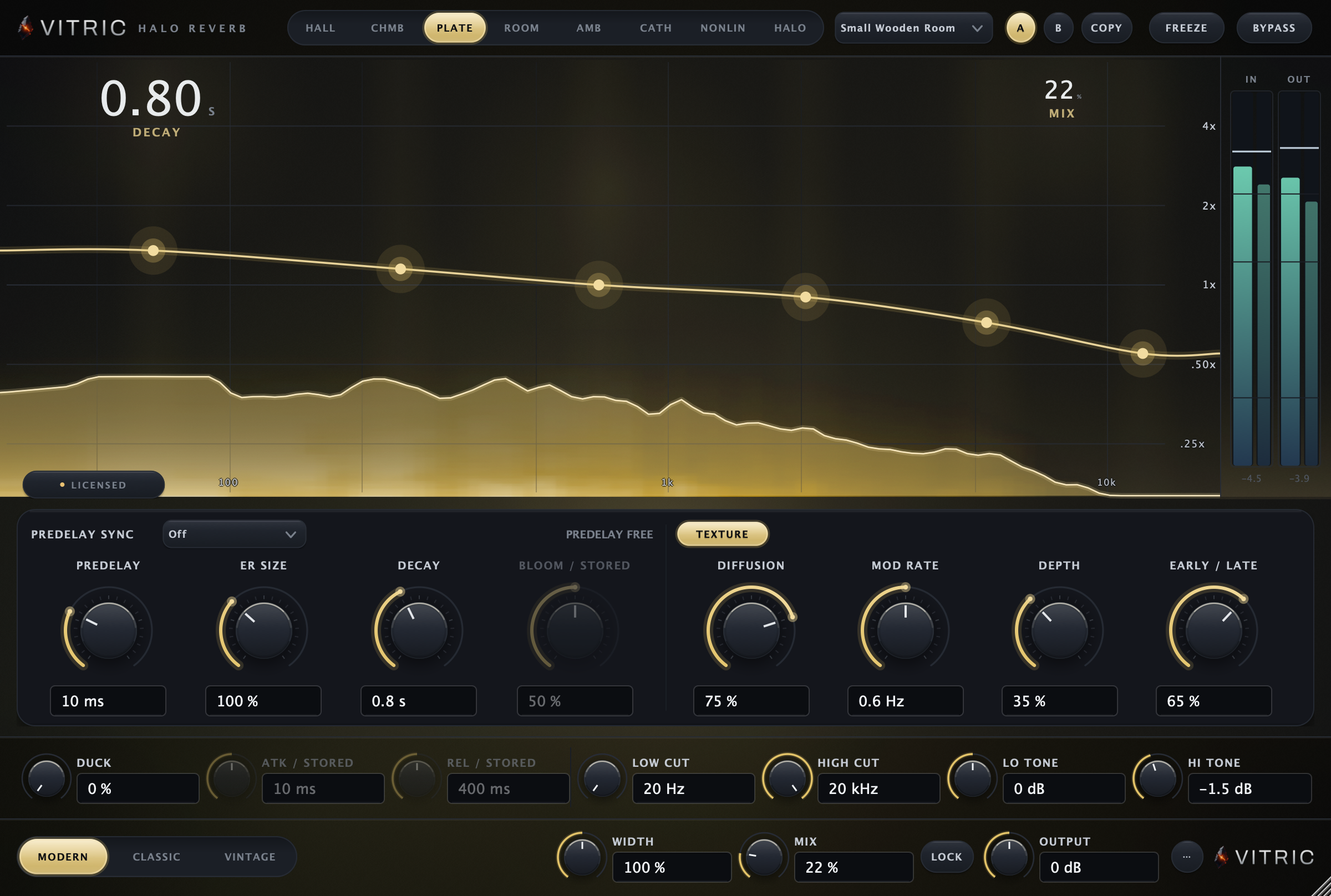
Halo Reverb 1.1 licensed interface in the Room space: the wet spectrum rising as a gold light field, the six-band decay contour drawn over it with the 3.5 to 8 kHz node selected at x0.720, and DECAY reading 0.80 seconds
Fig 04 · Halo Reverb · Real render, not a mockup
  • Algorithmic Reverb
  • v1.1.0
  • VST3 · AU · AAX

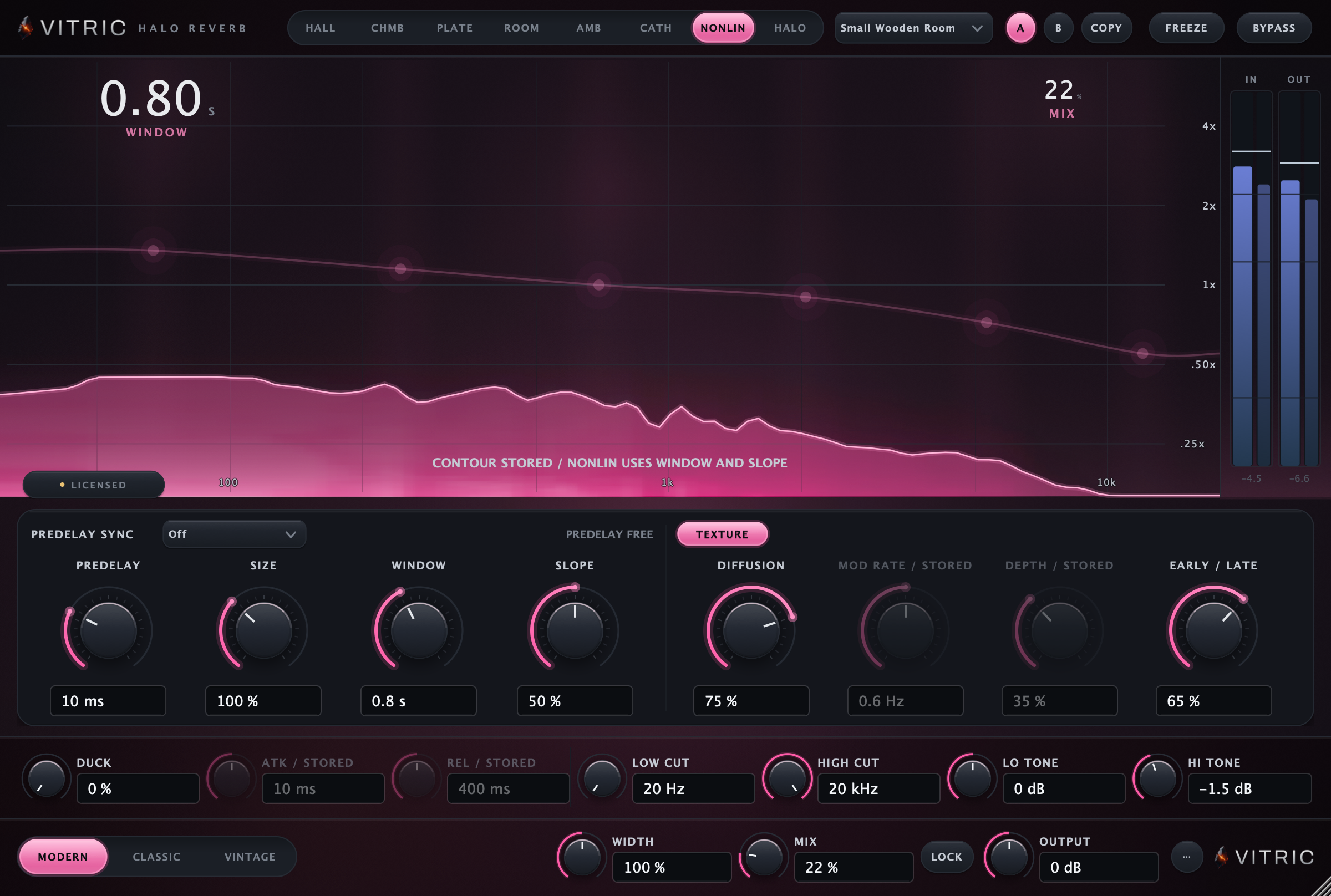
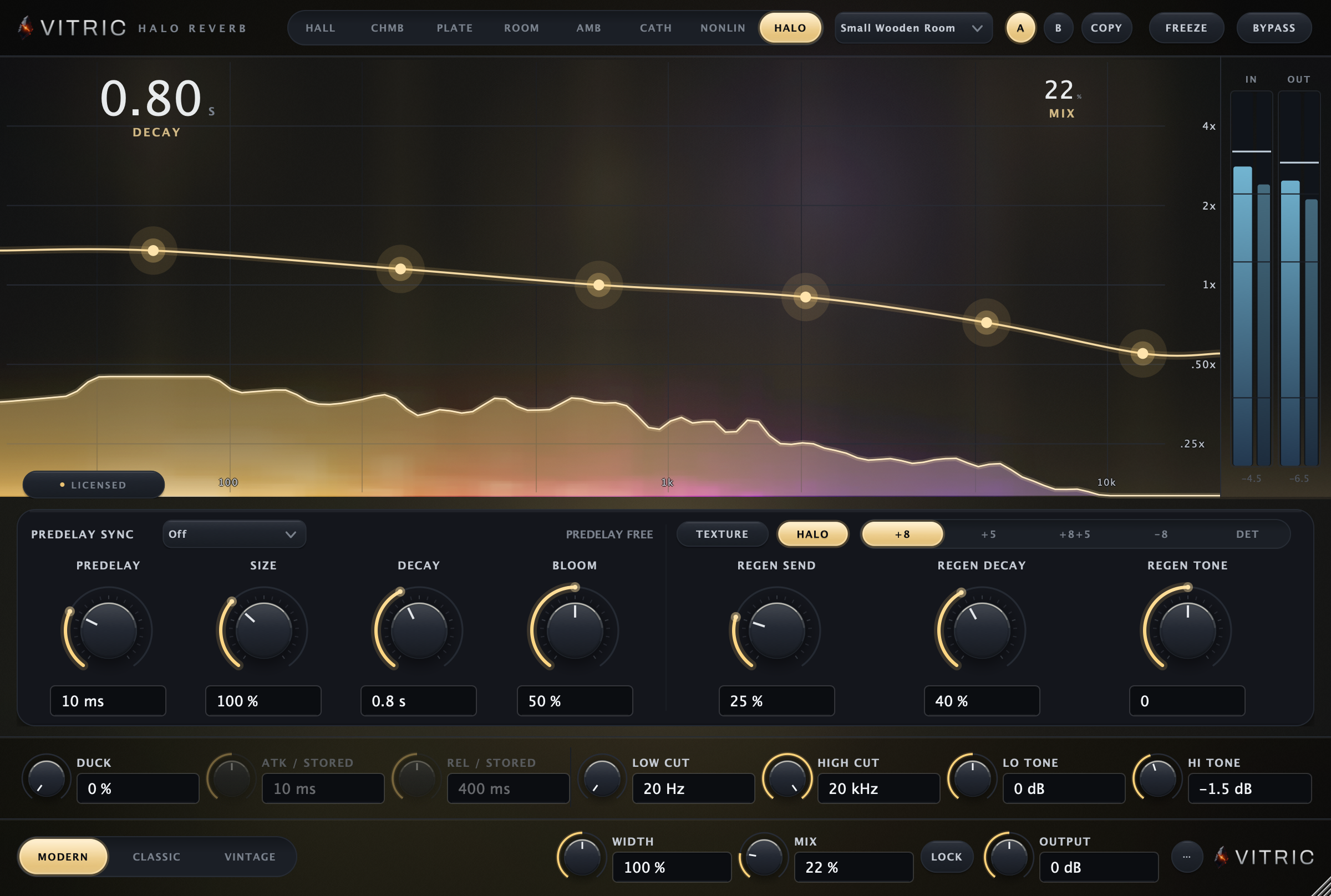
Halo Reverb

Eight spaces. One curve of light.

From a close room to a long pitched tail: eight reverb spaces, a six-band contour for feedback decay, and ducking to leave room for the dry performance.

Spaces
8 across 4 engine families
Decay contour
6 fixed bands; 0.25×–4× in feedback spaces
NONLIN
Finite window; no feedback contour or infinite freeze
Eras
MODERN / CLASSIC / VINTAGE
HALO intervals
5
Presets
43 factory presets plus Default
Latency
Zero added samples
Platforms
Windows 10+ (64-bit); macOS 10.15+ Intel / 11+ Apple Silicon
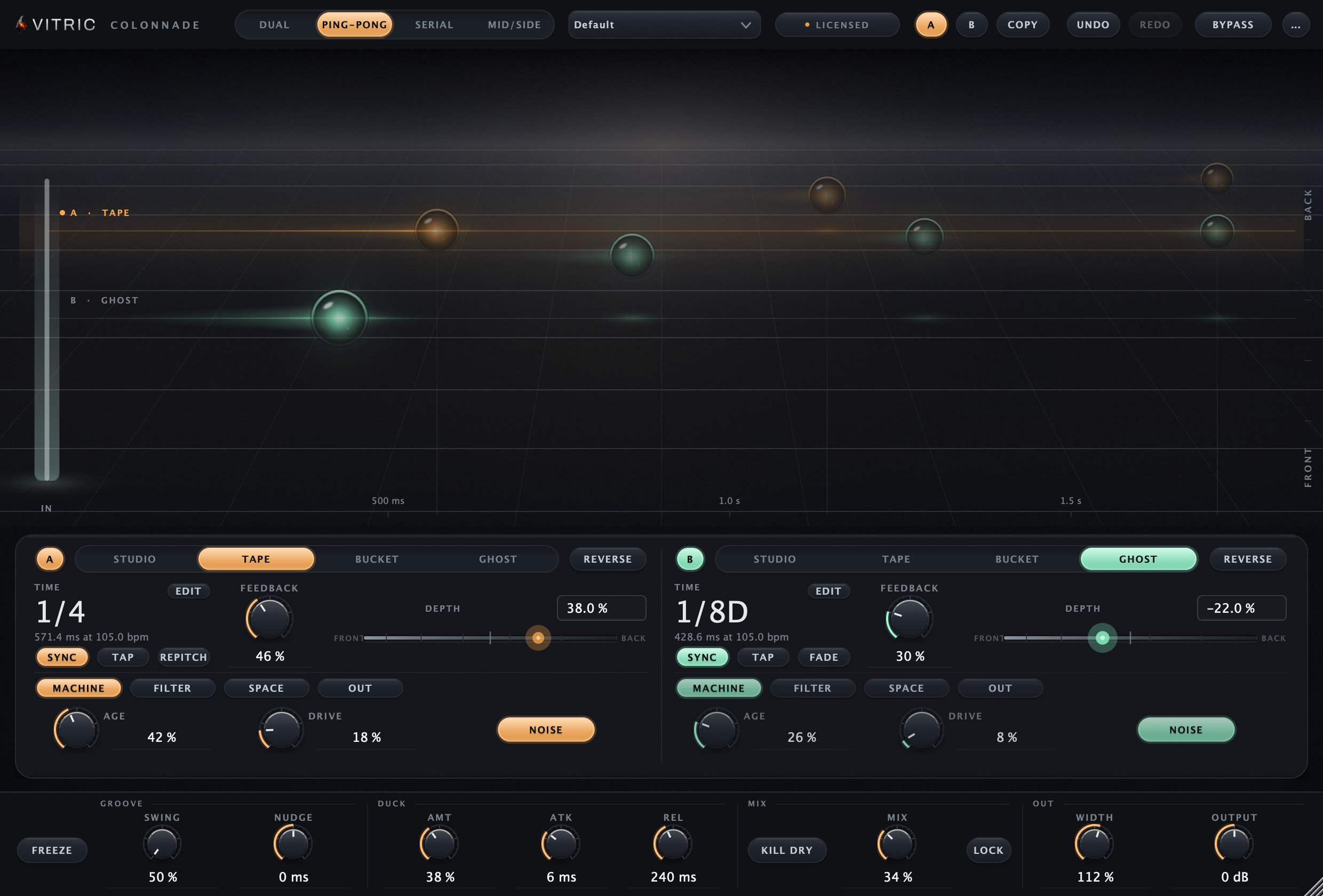
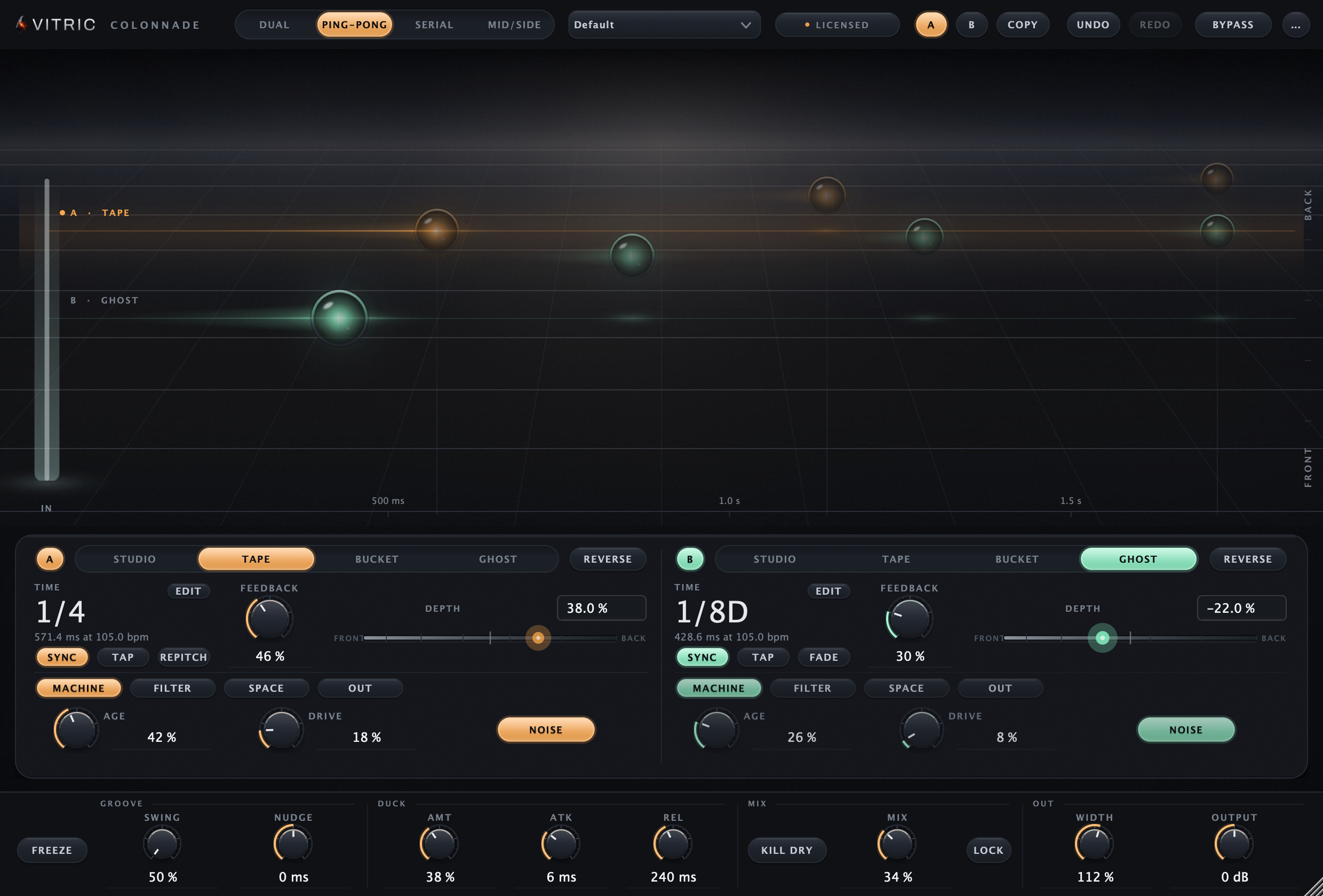
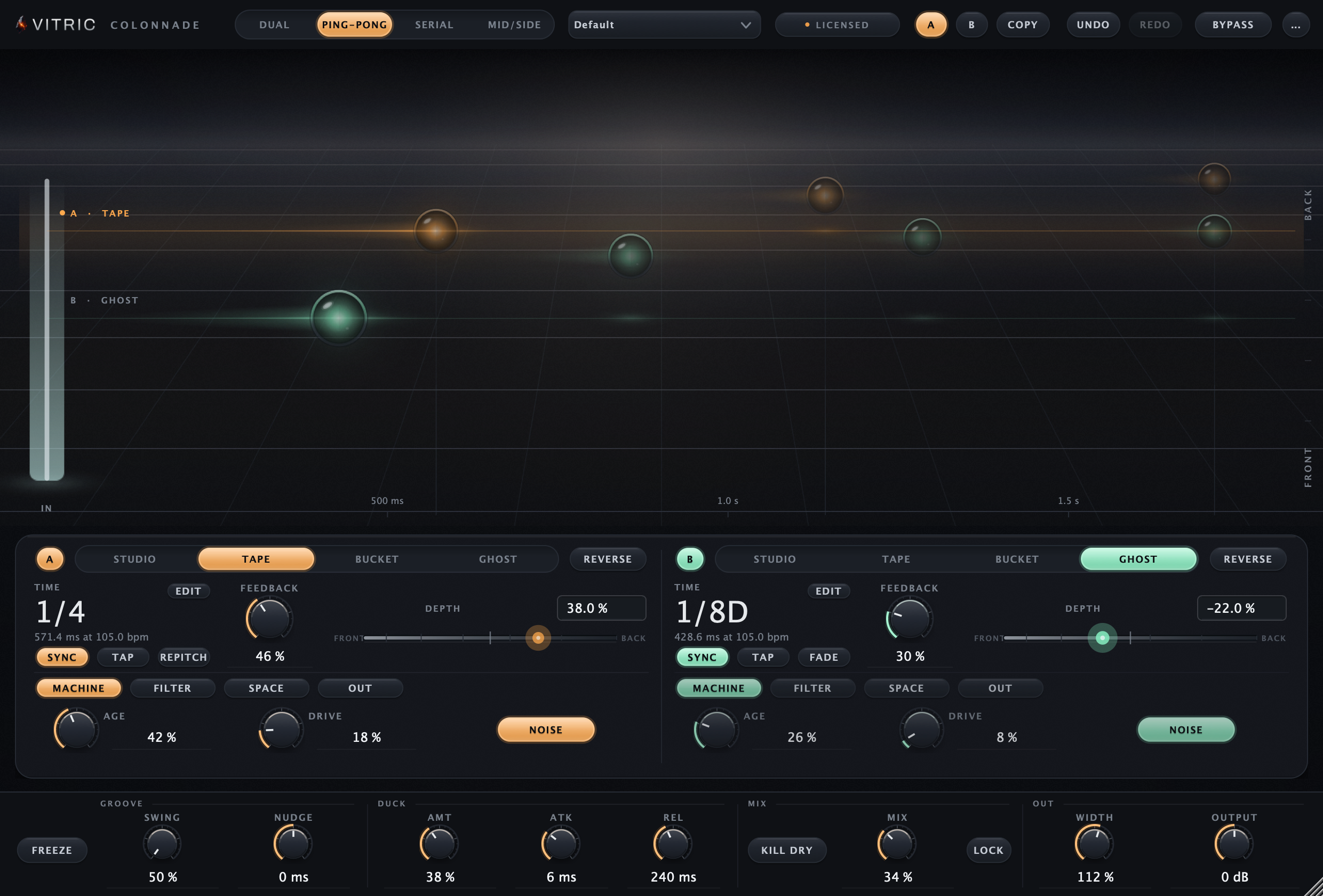
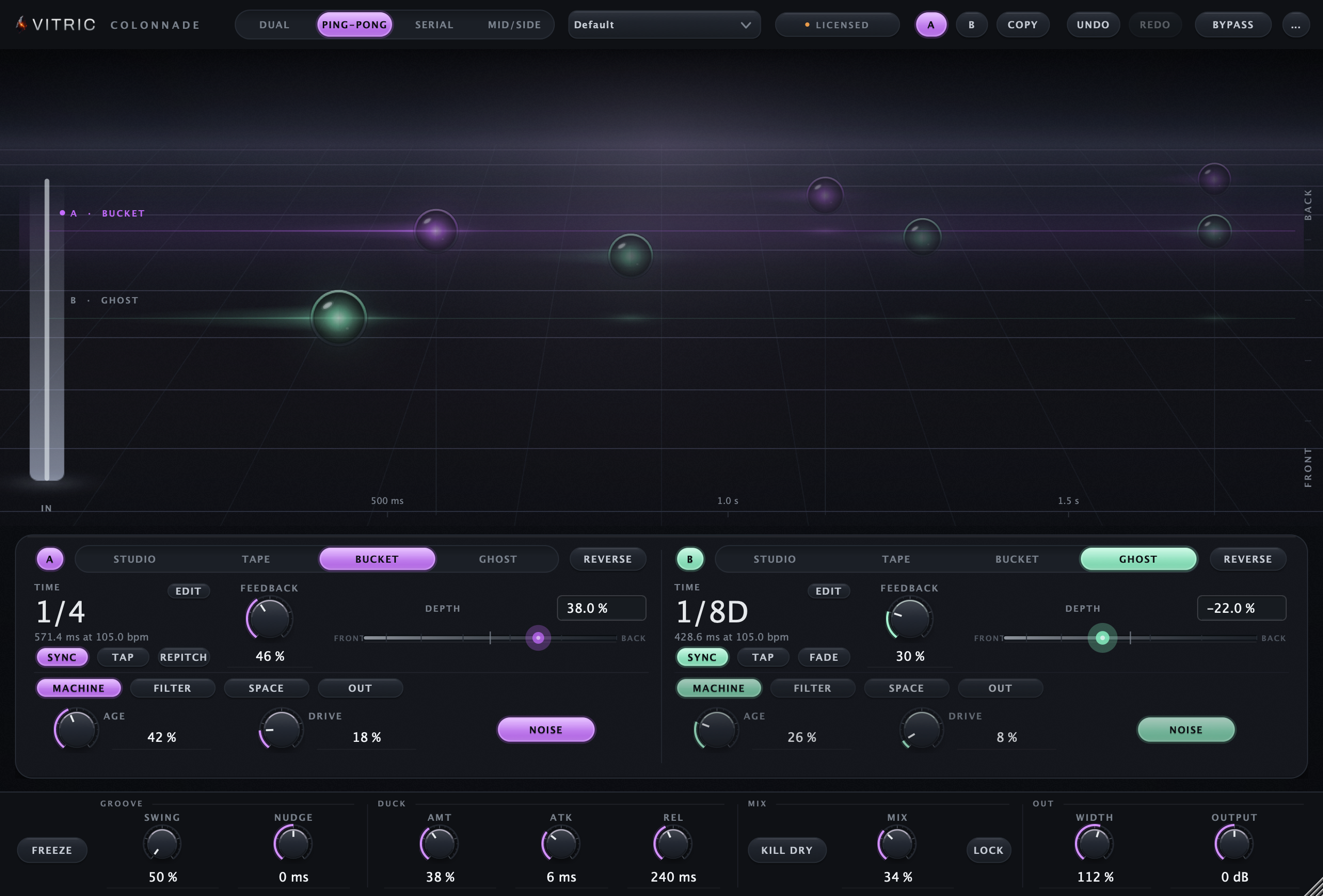
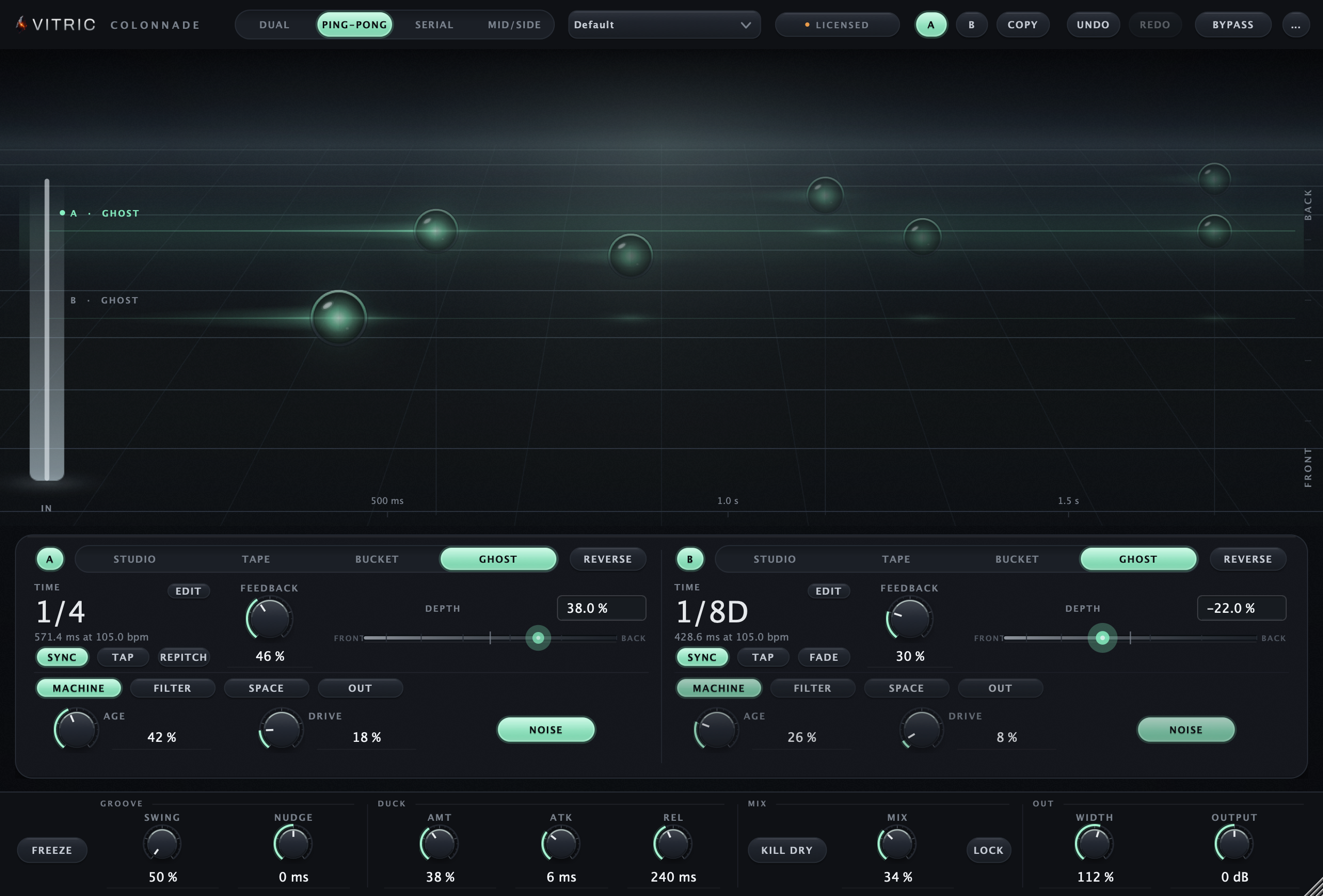
Colonnade Delay 1.1.0, licensed, working on a 105 bpm beat: PING-PONG routing, engine A tagged TAPE on a synced 1/4 staged back and left, engine B tagged GHOST on a synced 1/8 dotted staged front and right, both echo trains alive along the stage's time ruler.
Fig 05 · Colonnade Delay · Real render, not a mockup
  • Character Delay
  • v1.1.0
  • VST3 · AU · AAX

Colonnade Delay

Echoes staged in space.

Put two echoes at different depths. Choose Studio, Tape, Bucket or Ghost for each engine, then run them side by side, across the stereo field or into one another.

Engines
2
Characters
Studio / Tape / Bucket / Ghost
Routing
Dual / Ping-Pong / Serial / Mid-Side
Time
1 ms–4 s free; 21 sync divisions
Time changes
Repitch / Fade
Pitch behavior
Quartz / Slide
Loop filter
OFF / LP / HP / BP, per engine
Latency
Zero added samples
Platforms
Windows 10+ (64-bit); macOS 10.15+ Intel / 11+ Apple Silicon
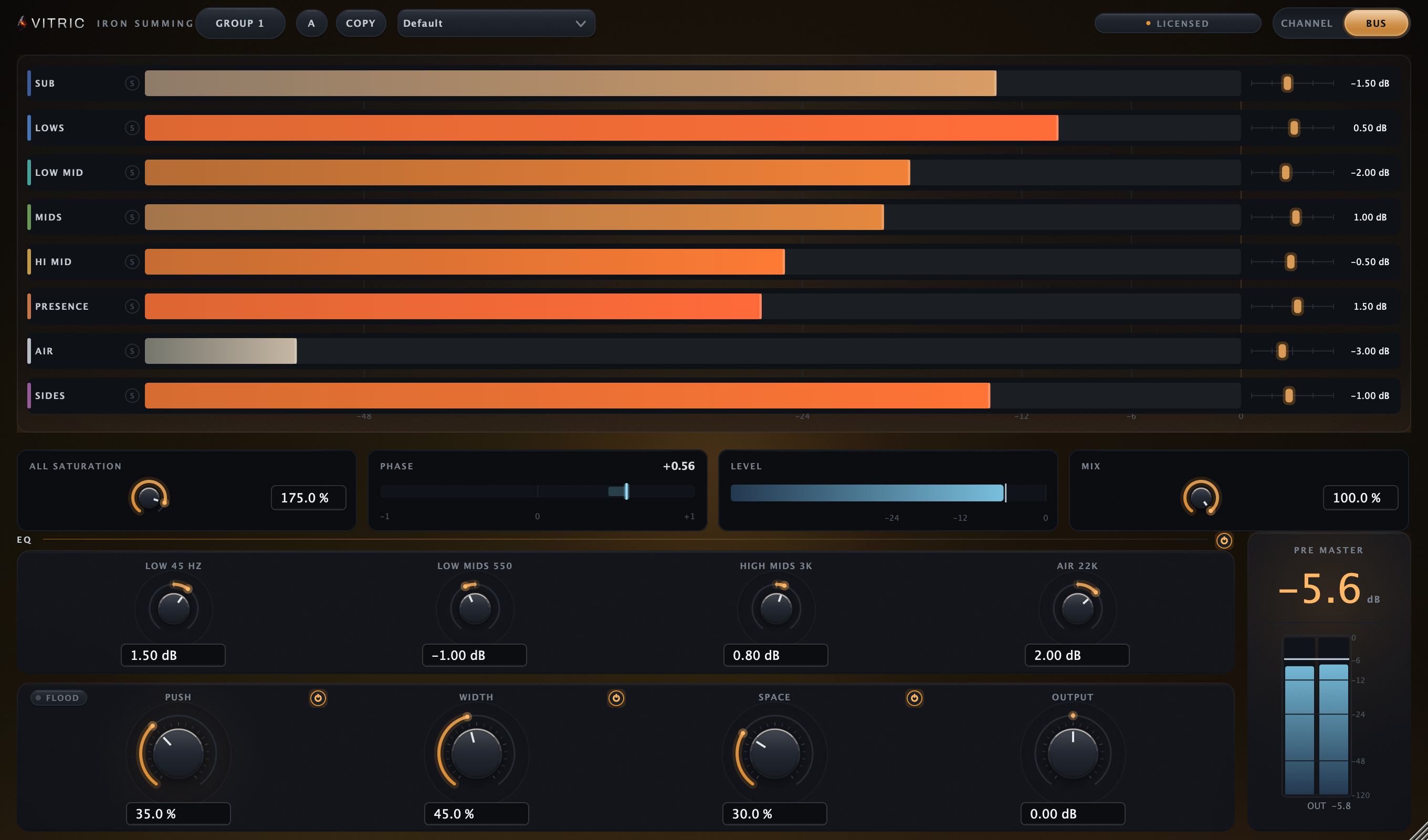
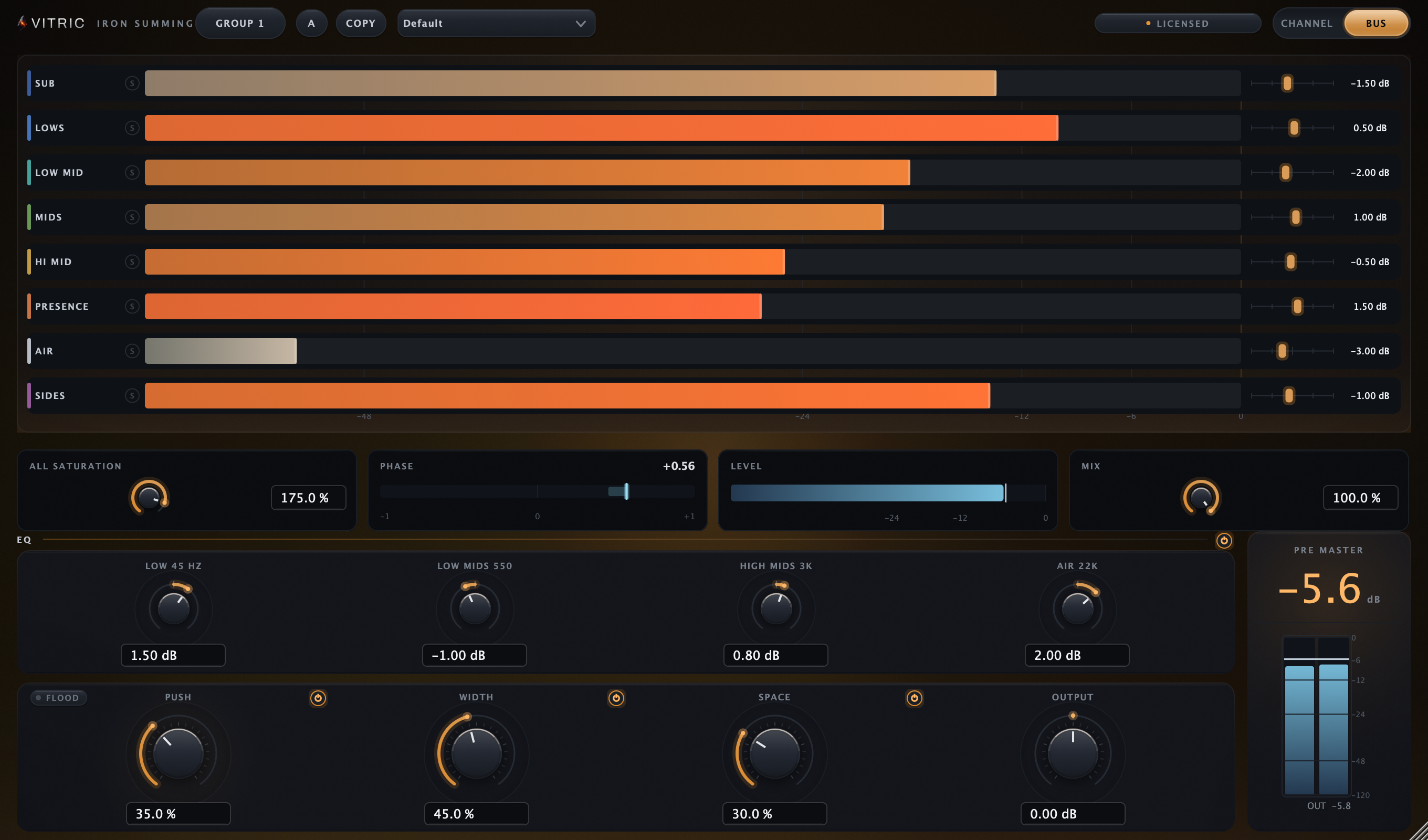
Iron Summing 1.3.0 licensed Bus window on a full mix: eight named lanes from SUB to SIDES burning across the rack, ALL SATURATION at 175.0 percent beside a PHASE reading of plus 0.56, the four console EQ bands at 1.50, -1.00, 0.80 and 2.00 dB, PUSH at 35.0 percent with WIDTH at 45.0 percent and SPACE at 30.0 percent, MIX at 100.0 percent, and the PRE MASTER readout at -5.6 dB over its output meters
Fig 06 · Iron Summing · Real render, not a mockup
  • Console Summing System
  • v1.3.0
  • VST3 · AU · AAX

Iron Summing

The console, reassembled.

Build a console across your session: tone and gentle compression on each track, with bus EQ, glue and remote Channel trims in one Bus window.

Roles
Channel / Bus
Voicings
32 fixed console variations
Groups
8; up to 128 registrations in a shared module/process
Glue
Push/Flood; maximum 3 dB cut or lift
Bus EQ
45 Hz / 550 Hz / 3 kHz / 22 kHz; ±6 dB
Remote controls
Channel trim, rename and temporary solo
Latency
Zero added samples
Platforms
Windows 10+ (64-bit); macOS 10.15+ Intel / 11+ Apple Silicon
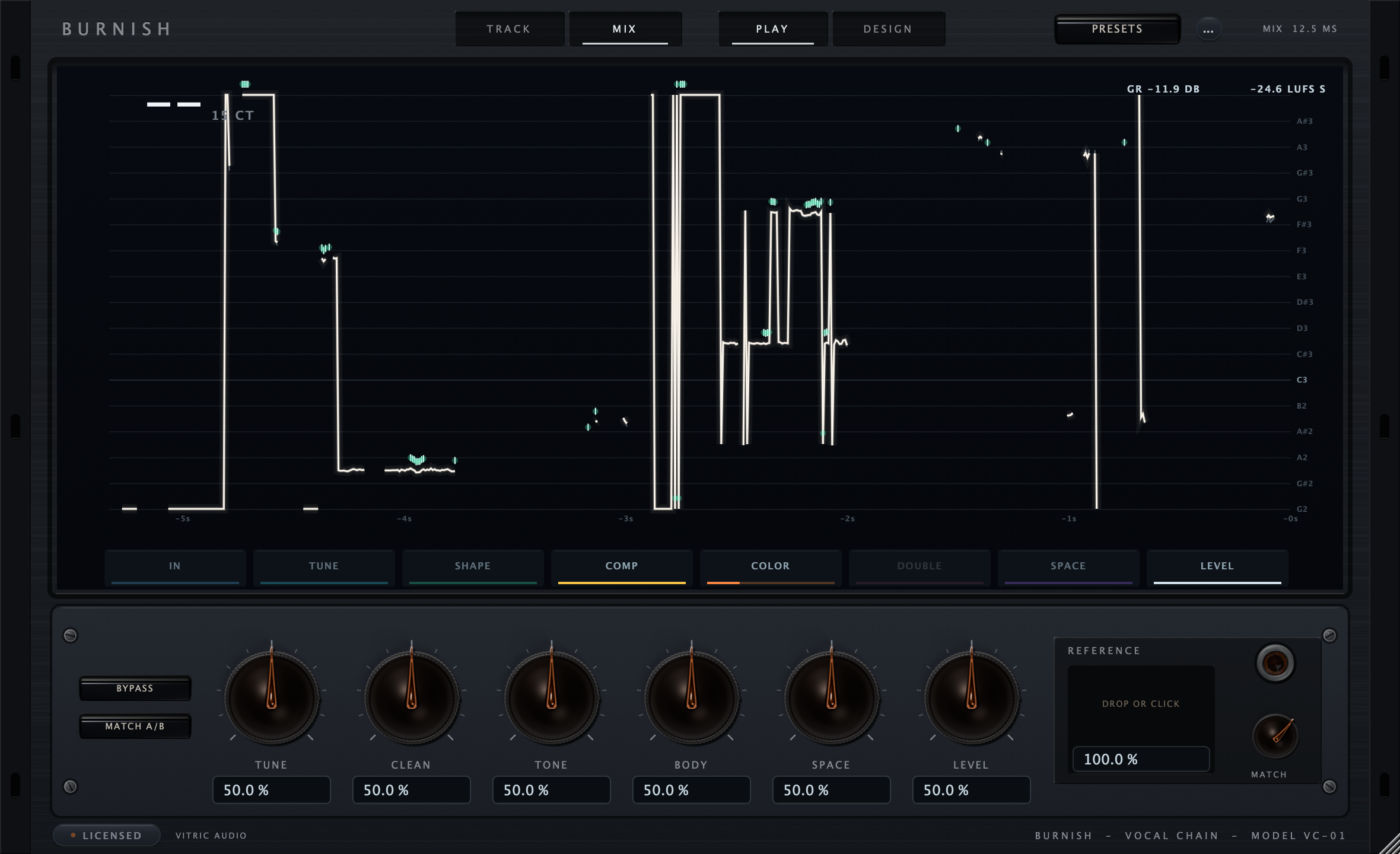
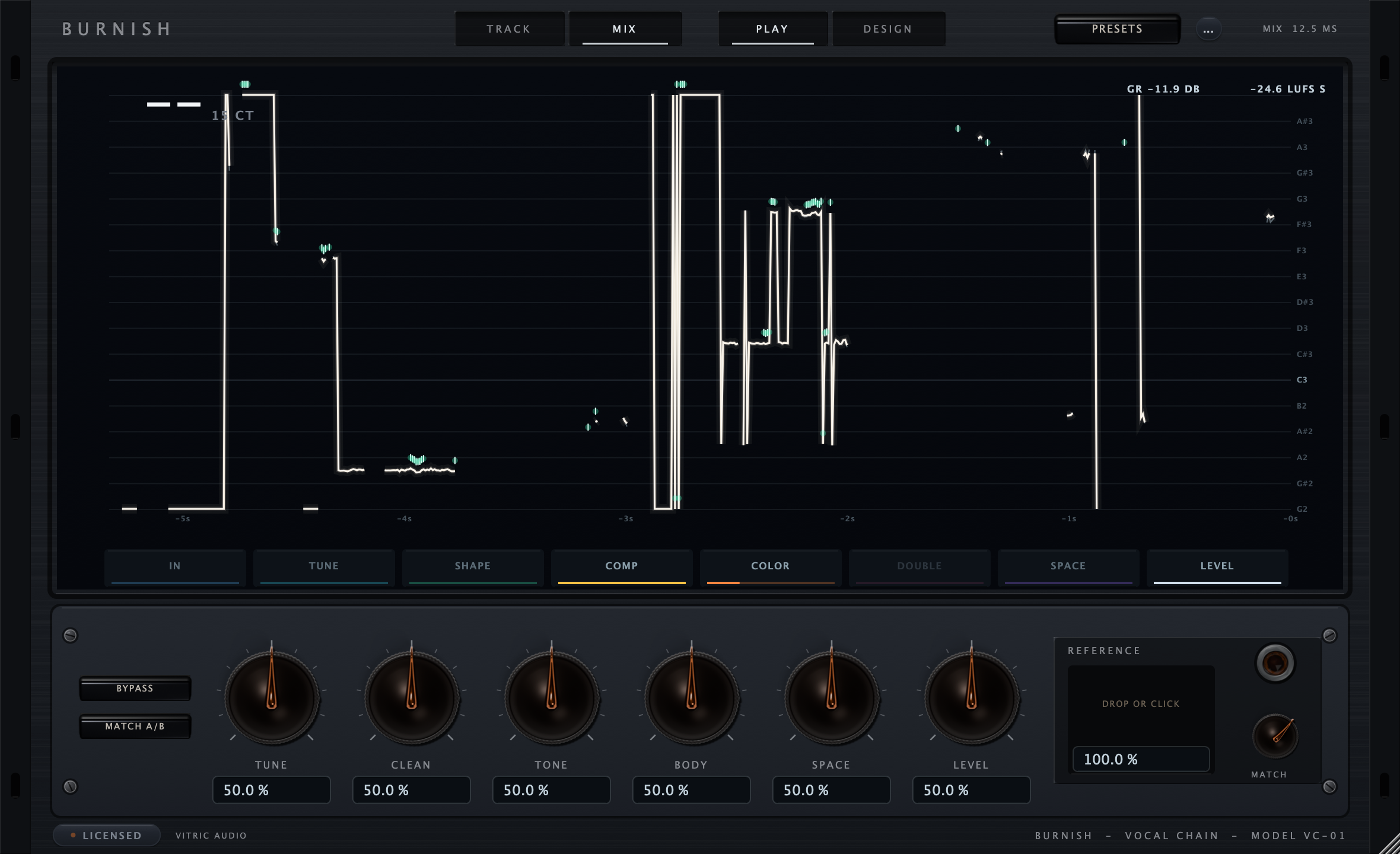
Burnish Vocal Chain in Play view on real music: a pitch trace drawn across the stage spectrum against its note ladder, the eight station tiles from IN to LEVEL beneath it, six macro knobs with their exact value fields, BYPASS and MATCH A/B at the left, and the REFERENCE well and MATCH knob at the right
Fig 07 · Burnish Vocal Chain · Real render, not a mockup
  • Vocal Chain
  • v1.1.0
  • VST3 · AU · AAX

Burnish Vocal Chain

Build the vocal chain around the take.

Input cleanup, pitch correction, EQ, compression, color, doubling, space and level control in one window. Work with six PLAY macros or edit the eight stations in DESIGN. Import a reference for locally analyzed starting settings, then finish the chain by ear.

Modes
Track · Mix
Tuning
Classic · Natural with Throat in Mix
Stations
8, in a fixed signal order
Reference
Local file analysis · explained fits · MATCH 0–150%
Presets
66 factory chains, including 12 Learn
Macros
6 in PLAY; individual controls in DESIGN
Input
Mono or stereo in, stereo out
Latency
Track: 4 samples. Mix: 12.5 ms with Natural, plus 5 ms when the gate is enabled.
Formats
VST3 and AAX on macOS and Windows · AU on macOS
Platforms
Windows 10+ (64-bit) · macOS 10.15+ Intel / 11+ Apple Silicon
Made in
Studio 4, Cleveland OH
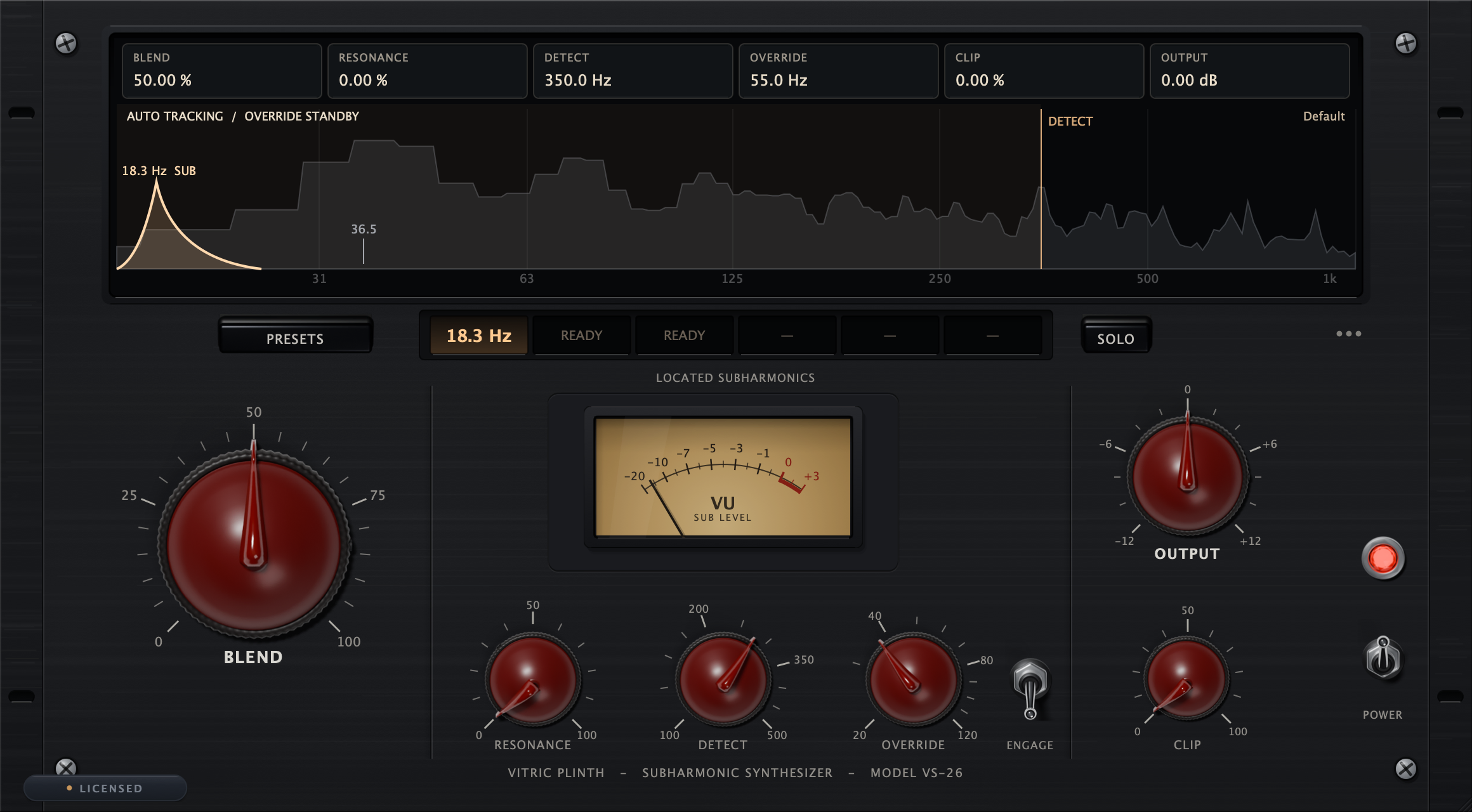
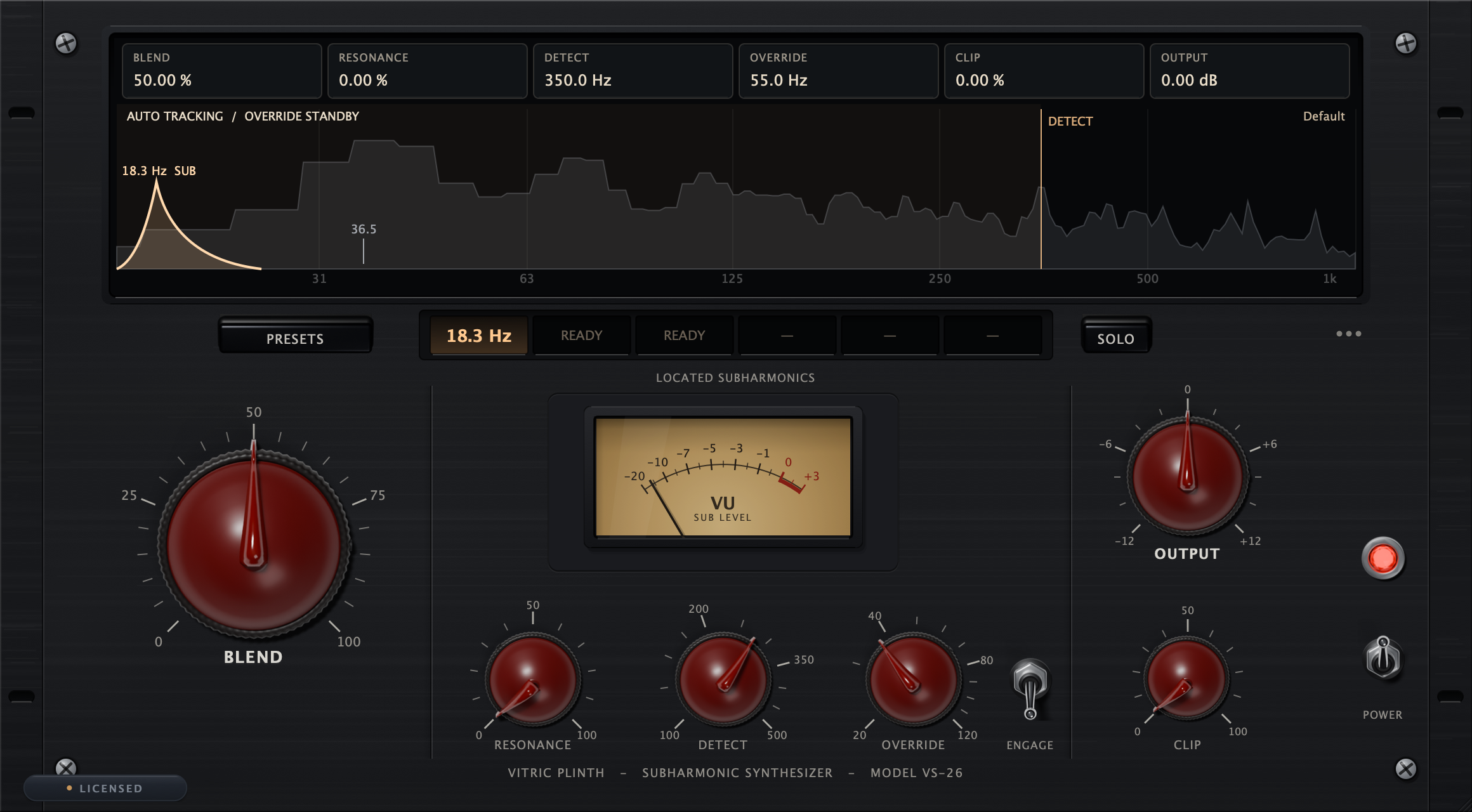
Plinth Subharmonic Synthesizer 0.2.0 licensed on a bass loop: the generated sub drawn as the brightest curve at 18.3 Hz under the detected 36.5 Hz fundamental, the first located-subharmonic chip lit, and the SUB LEVEL VU integrating on the VS-26 faceplate
Fig 08 · Plinth Subharmonic Synthesizer · Real render, not a mockup
  • Subharmonic Synthesizer
  • v0.2.0
  • VST3 · AU · AAX

Plinth Subharmonic Synthesizer

The subharmonic synthesizer that shows its work.

Generate a mono sub one octave beneath the fundamentals in your audio. See the detected source and added sub together, then set its level with Blend.

Sub voices
Up to 3 · one mono bus, dead center
Detection
Filtered mono sidechain · dry path untouched
Phase lock
Plus or minus 0.000 degrees over 60 s vs 80 Hz
Pink-noise test
Exact silence on the sub bus
Clip
First-order ADAA soft clip
Controls
Blend · Resonance · Detect · Override · Clip · Output · Power
Latency
0 samples, clip stage included
Formats
VST3 and AAX on macOS and Windows · AU on macOS
Platforms
Windows 10+ (64-bit) · macOS 10.15+ Intel / 11+ Apple Silicon
Made in
Studio 4, Cleveland OH
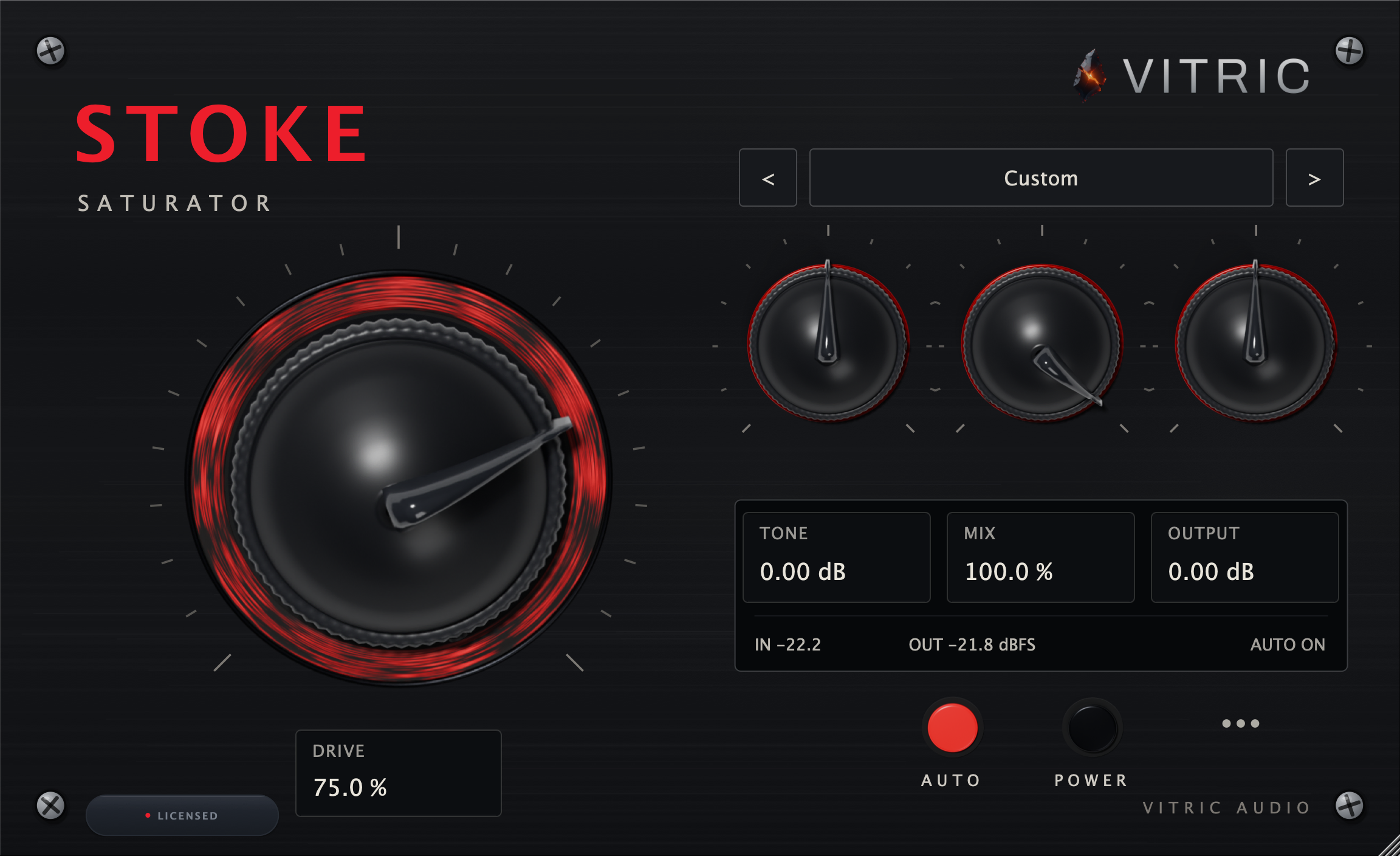
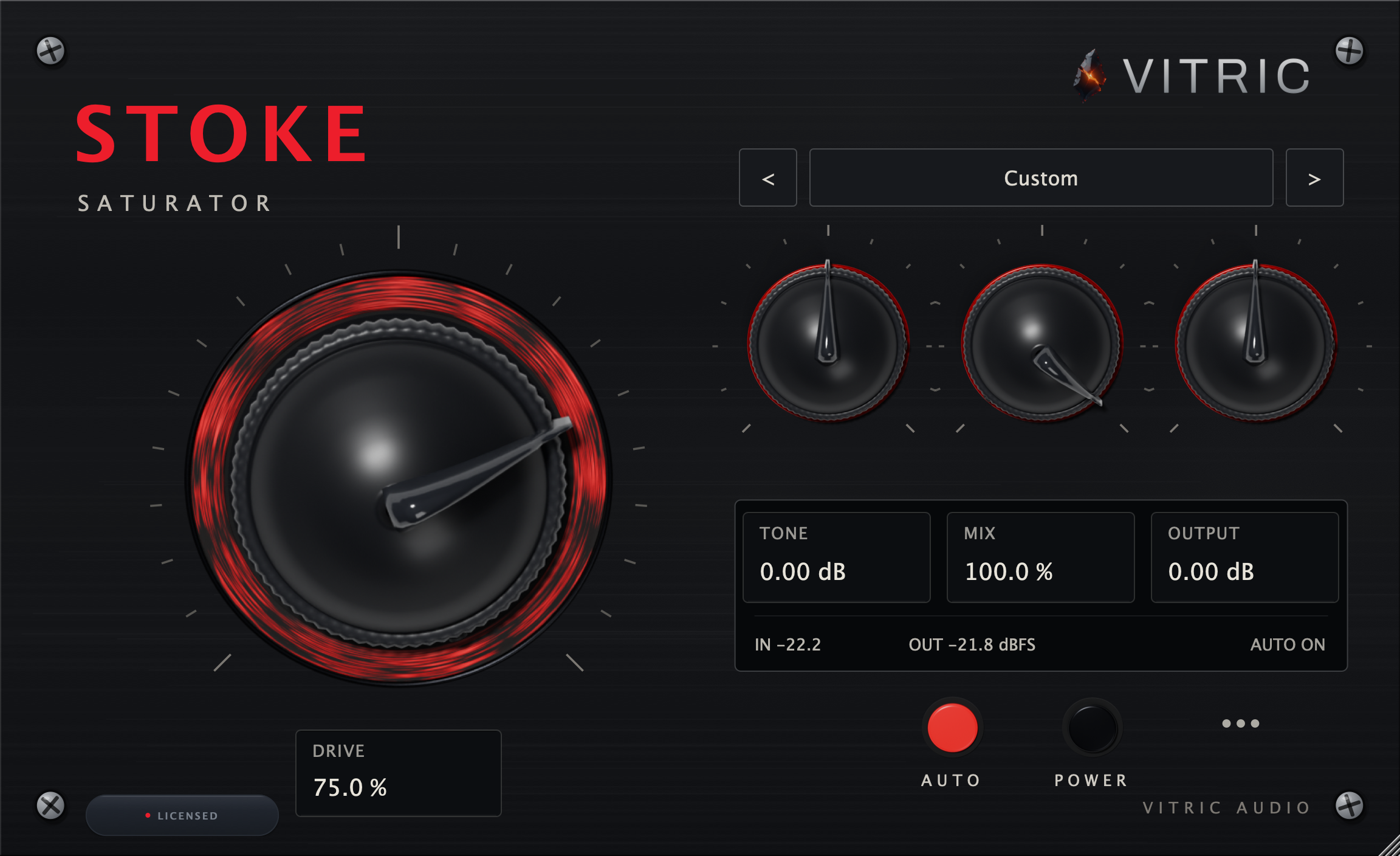
Stoke Saturator 0.2.0 licensed interface at the hero setting: the Drive knob ringed by the lit coal at 75.0 percent, Tone, Mix and Output in one row above their value fields, and the telemetry line reading IN at minus 22.2 and OUT at minus 21.8 dBFS with AUTO ON
Fig 09 · Stoke Saturator · Real render, not a mockup
  • Saturator
  • v0.2.0
  • VST3 · AU · AAX

Stoke Saturator

One sound. Four knobs. Measured.

Saturation with Drive, Tone, Mix and Output. Turn up the character, blend it back into the track, and use Auto to compensate as Drive changes.

Controls
Drive · Tone · Mix · Output · Auto · Power
Parameters
7
Starting points
12, named for sources
Low end
Recorded 808, kick and bassline tests: 20–120 Hz within ±0.5 dB at Drive 50%, neutral Tone and Output
Aliasing floor
Recorded −131 dBFS at full Drive with a 10 kHz sine
Loudness
Recorded program and bassline tests: ±0.5 LU with Auto, Drive 20%/60%/100%, three input scales spanning approximately 24 dB
Bypass
Power off passes aligned dry. At Output 0 dB, Mix 0 nulls; Drive 0 also nulls with Tone 0 dB
Latency
6 samples, 0.125 ms at 48 kHz, reported exactly
Formats
VST3 and AAX on macOS and Windows · AU on macOS
Platforms
Windows 10+ (64-bit) · macOS 10.15+ Intel / 11+ Apple Silicon
Made in
Studio 4, Cleveland OH
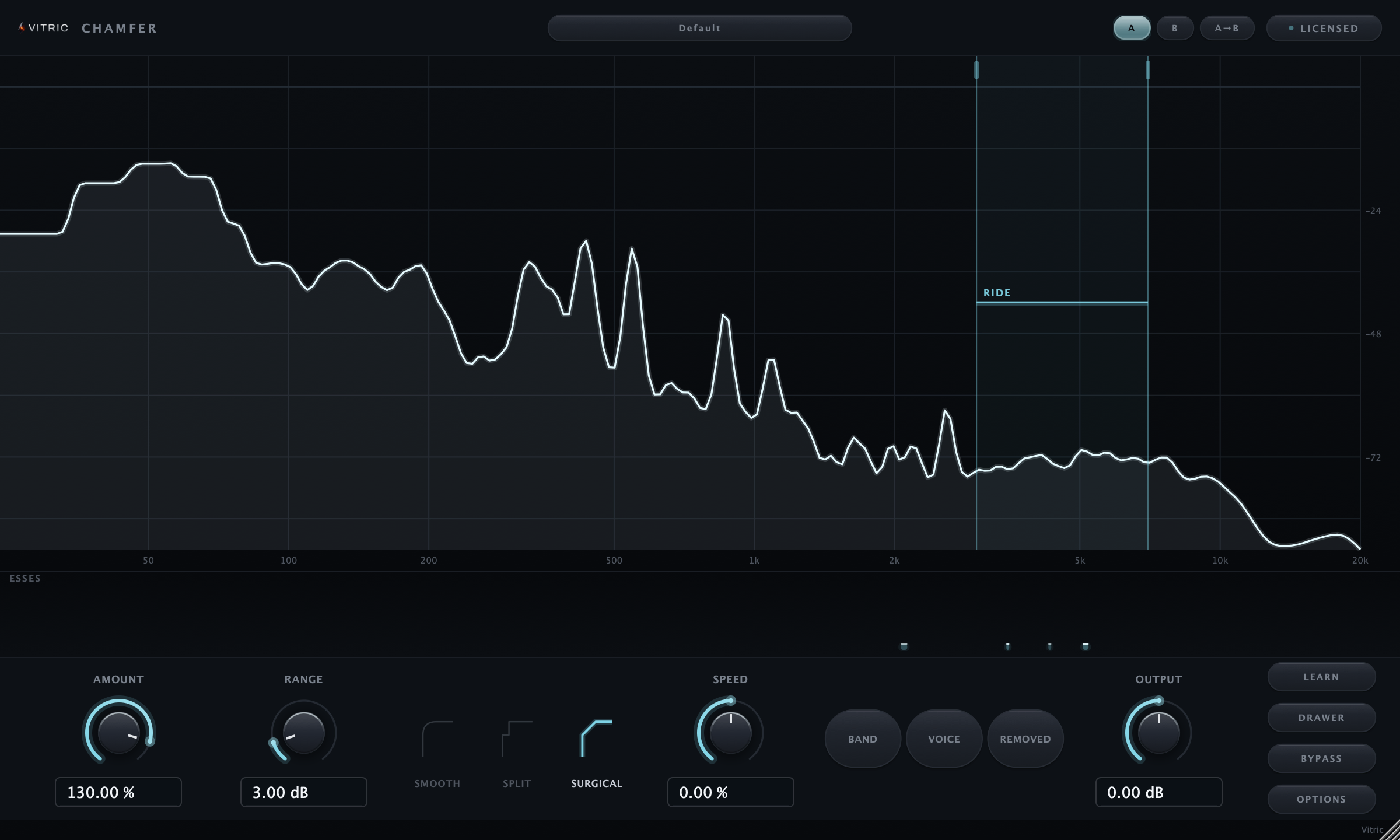
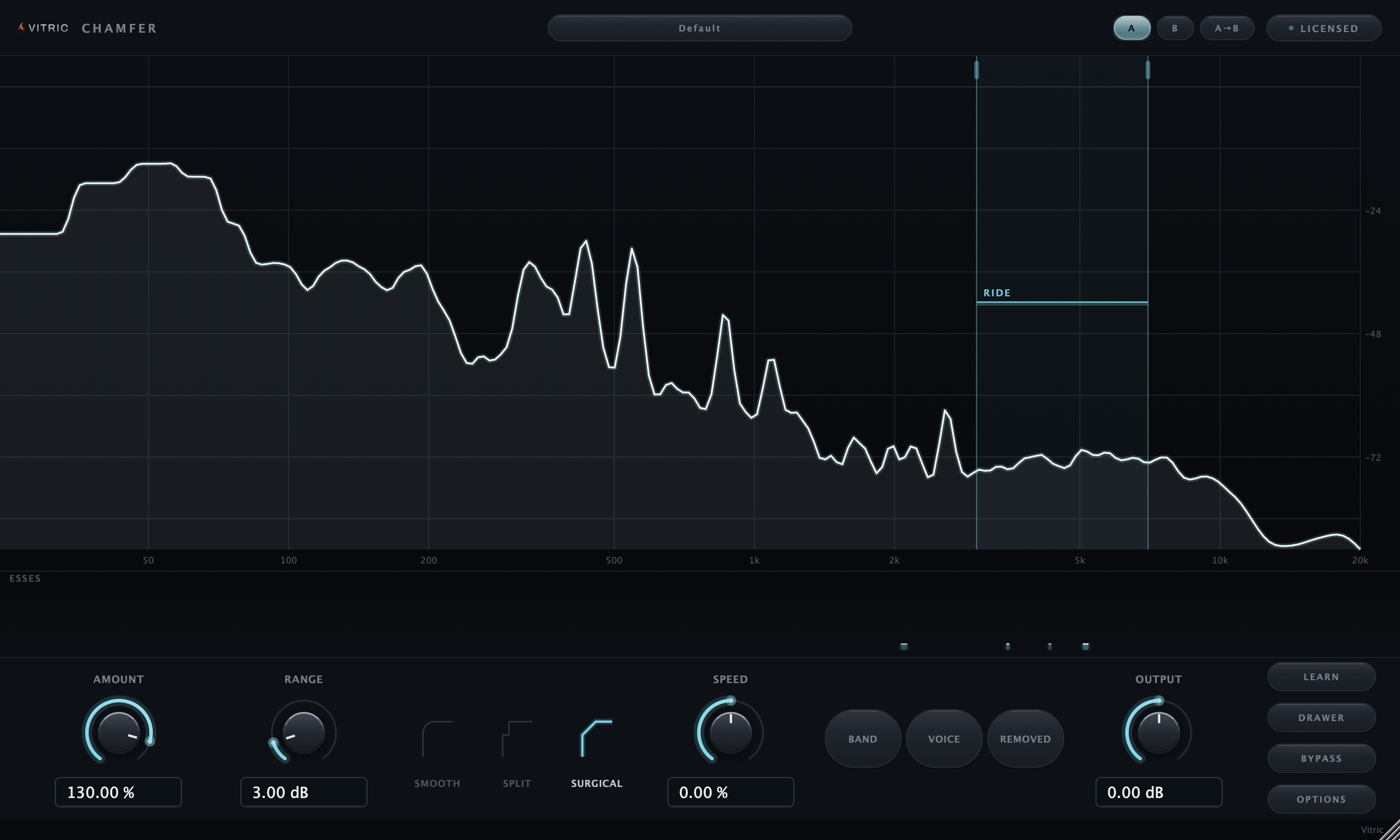
Chamfer De-Esser 0.2.0 licensed interface working on a 105 bpm mix: the analyzer drawn to 20 kHz, the detection band shaded from 3.00 to 7.00 kHz with the RIDE line across it, the ess strip beneath the frequency axis, and AMOUNT at 130.00 percent, RANGE at 3.00 dB, SPEED at 0.00 percent and OUTPUT at 0.00 dB along the deck with the Surgical style lit
Fig 10 · Chamfer De-Esser · Real render, not a mockup
  • De-Esser
  • v0.2.0
  • VST3 · AU · AAX

Chamfer De-Esser

Sibilance control that follows the performance.

A de-esser with a level-tracked threshold, three reduction styles and a visible detection band. Learn a phrase, adjust Amount and limit the depth with Range. Audition the processing with Band, Voice and Removed, or open an event card to inspect the detector’s decision.

Threshold
Relative, level-tracked · Absolute
Styles
Smooth · Split · Surgical; Surgical uses Split in Live
Reduction
Amount 0–150% · Range 0–24 dB
Events
Clickable ess strip · commanded depth · available linked spectrum model
Stereo
Stereo · Mid Focus · Sides
Link
Per-channel depth bias in Precise Stereo with Split or Surgical
Listen
Band · Voice · Removed
Starting points
24, named for sources
Latency
Precise: 191 samples, about 4 ms at 48 kHz. Live: 0.
Formats
VST3 and AAX on macOS and Windows · AU on macOS
Platforms
Windows 10+ (64-bit) · macOS 10.15+ Intel / 11+ Apple Silicon
Made in
Studio 4, Cleveland OH
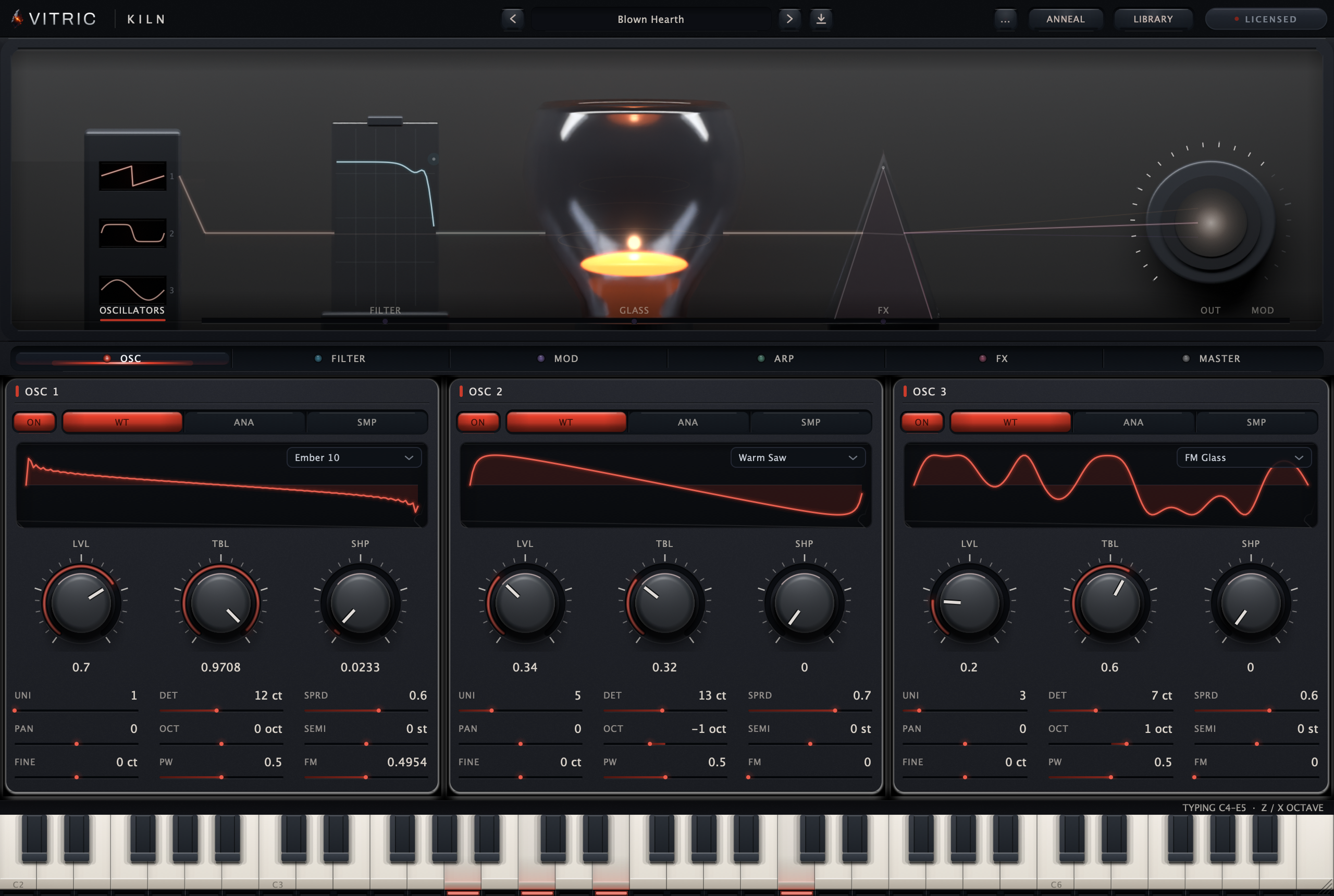
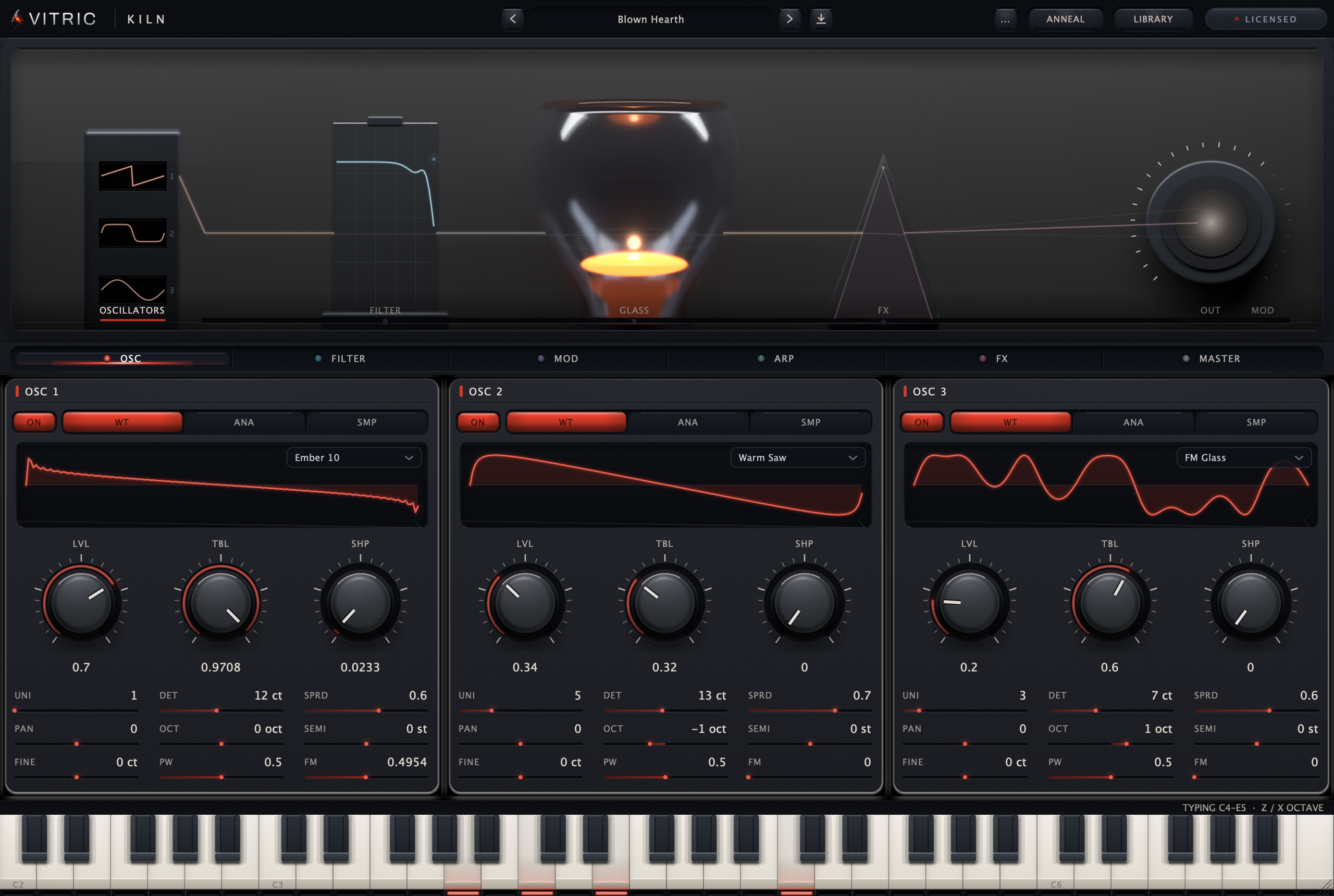
Kiln Synthesizer 0.2.0, licensed, on the factory preset Blown Hearth: the furnace stage with the filter slab and the lit glass vessel, three oscillator slots running Ember 10, Warm Saw and FM Glass under the section rail, and the keybed across the foot of the plate.
Fig 11 · Kiln Synthesizer · Real render, not a mockup
  • Software Synthesizer
  • v0.2.1
  • VST3 · AU · AAX

Kiln Synthesizer

Build the patch, or start from a sound.

A software synthesizer with three oscillator slots, dedicated sub and noise, two filter slots, the Glass modal resonator, a 48-slot modulation matrix and nine effects. Anneal hears a dropped sound and breeds editable patches toward it, fully local.

Oscillators
3 slots (wavetable · analog morph · sample) + sub + noise
Unison
16 voices per slot; FM and ring cross-modulation
Filters
2 ZDF slots · serial, parallel or split · Glass modal resonator
Modulation
48 slots · 4 DAHDSR · 4 LFOs · random and chaos · 4 macros
Effects
9
Library
554 presets · 80 in-house wavetables · 82 Glass patches
Tuning
MTS-ESP and .scl within plus or minus 0.02 cents
MPE
End to end; bend accuracy minus 0.2 cents
Formats
VST3 and AAX on macOS and Windows · AU on macOS
Platforms
Windows 10+ (64-bit) · macOS 10.15+ Intel / 11+ Apple Silicon
Made in
Studio 4, Cleveland OH

Everything on this page in one download, with the fact sheets as a Markdown file: vitric-press-kit.zip · 21 MB.

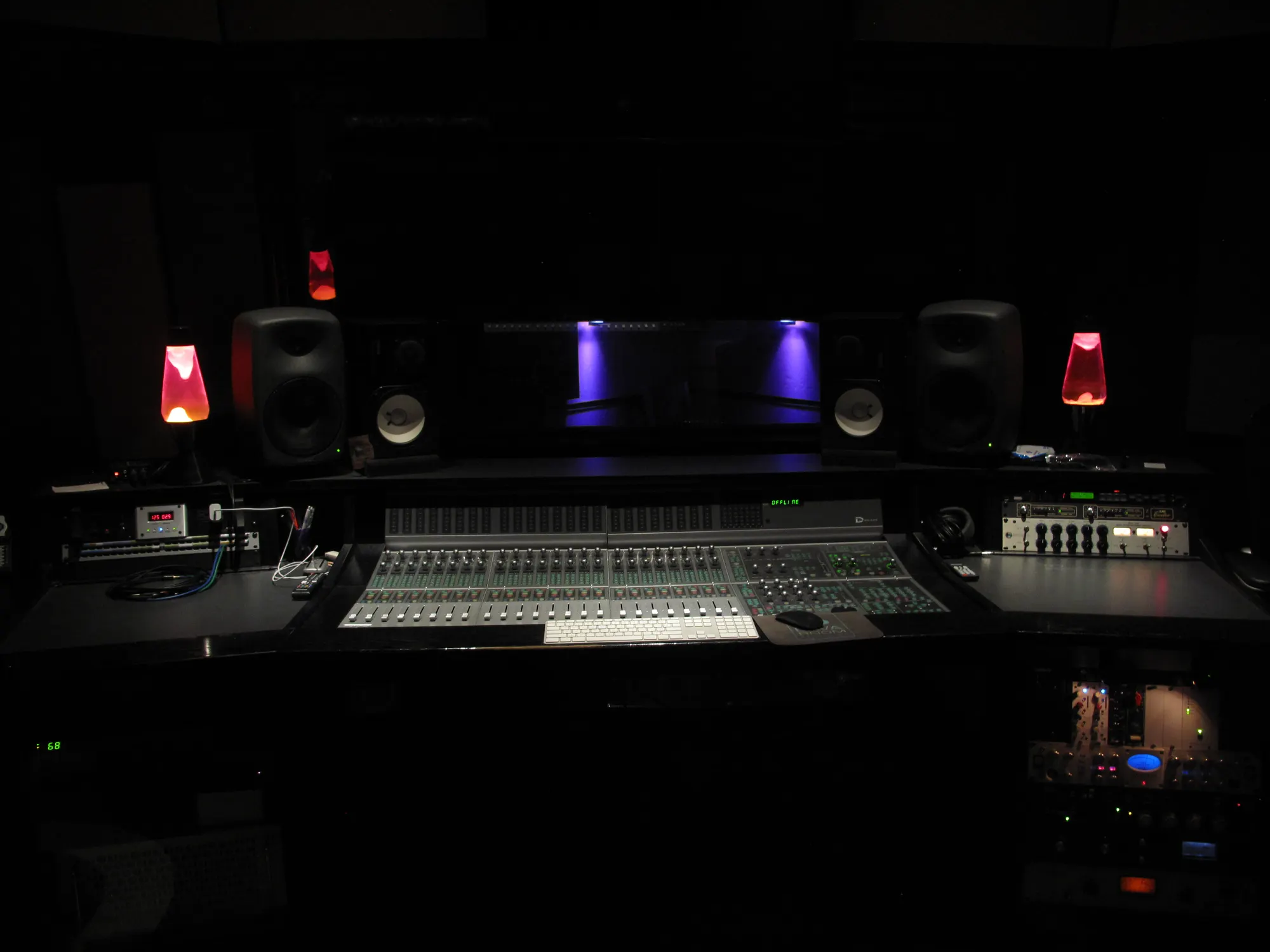
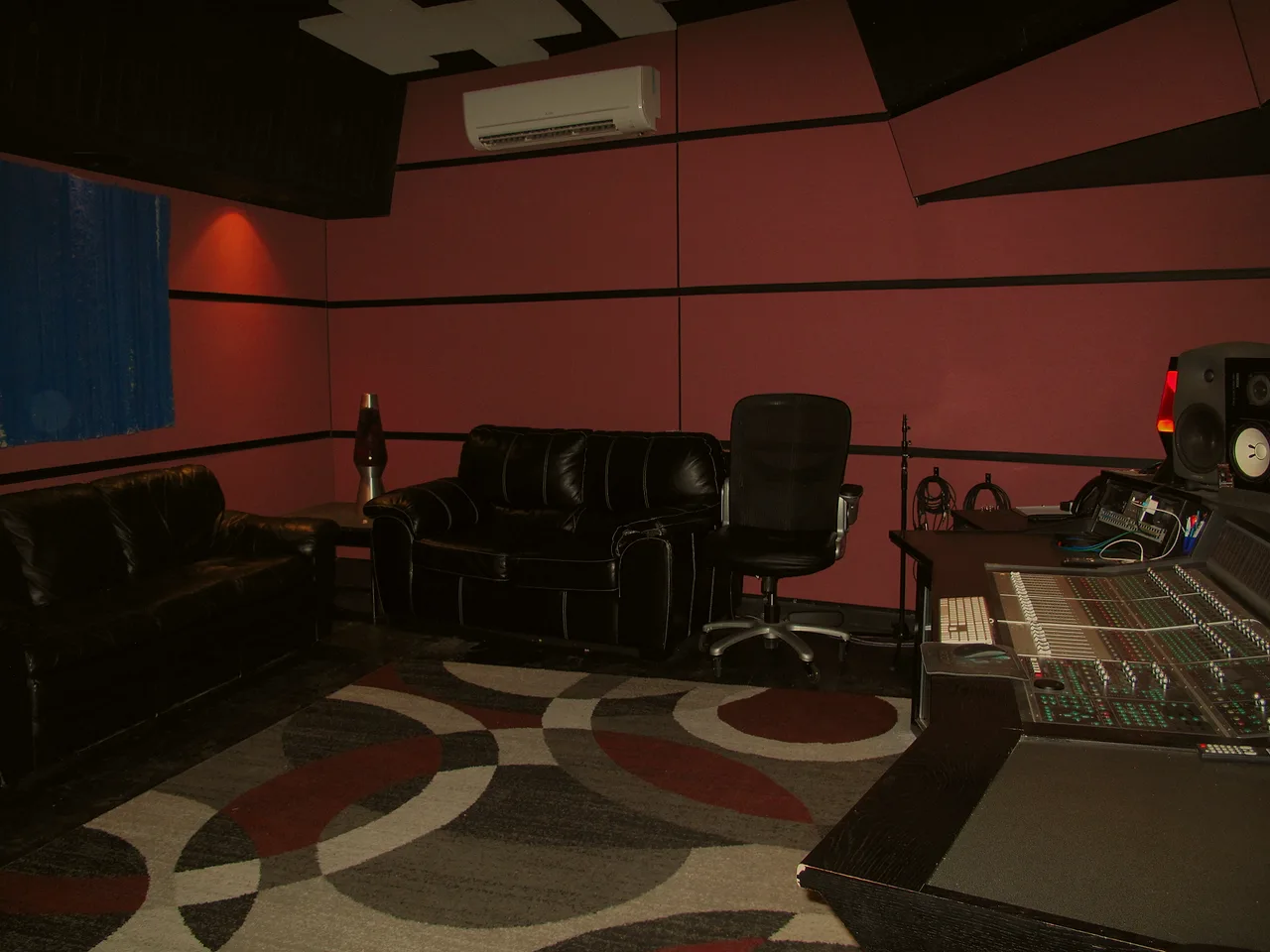
Every product image on this page is a real render from the plugin's own render harness, captured with live signal in the licensed state. None of them are mockups. Publish them as-is: do not recolor or composite them, and use Caliper's four mode renders instead of simulating its relights. The studio photographs are the actual rooms at Studio 4 in Cleveland.

Working on a review, a comparison or a video? Email support@vitricaudio.com with your outlet and platform and we will set you up with a full NFR license. The store is open; keys go out by email, usually the same day.

Fact checking: if a claim on this site or in your draft needs verification, ask us. We would rather correct a spec before it prints than after.

The story behind the room is on the about page. Free 3 day trials run through the trial page. Everything else: support@vitricaudio.com.