What is music production, and what does a music producer do?
Music production is the work of turning a song into a finished recording: choosing the sounds, arranging the parts, guiding the performances and shaping the result. A music producer leads it. Here is what that involves, how it differs from engineering, and what you need to start.
Music production is the work of turning a song into a finished recording. A music producer leads it: choosing the sounds, arranging the parts, getting the best performances, and making the creative calls about how the record should sound. The Recording Academy describes the producer as having overall creative and technical control of the project. In a home studio, the producer can make the whole track: the beat, the instruments and the mix.
What does a music producer do?
- Shapes the sound. In popular music the producer can shape the whole sound and structure of a recording: which instruments, which drum sounds, how the song builds.
- Arranges. Decides what plays in each section, where the song drops out and where it lifts.
- Guides the performances. Coaches the artist through takes and chooses the best ones.
- Runs the project. Coordinates the people involved, from session players to the mixing and mastering engineers.
Producer vs engineer
The producer makes the creative and aesthetic decisions. The engineer runs the technical side: the recording equipment, and often the mixing and sometimes the mastering. An executive producer is different again: they handle the business side, such as money and contracts. On a small project these jobs blur, and some producers engineer their own records.
How did music production change?
Early records were performances cut live, in one take, straight to disc or cylinder. Les Paul, layering parts on discs since 1945, moved to tape in 1948, which made overdubbing practical; the term "record producer" appeared in Billboard in its current sense in 1953, and in the 1960s producers such as Phil Spector and George Martin used multitrack recording to make sounds no band could play live. From the 1990s, digital production became affordable on home computers: a digital audio workstation such as Logic Pro or Pro Tools turns an ordinary computer into a studio, and a producer can learn the craft alone in a low-cost home setup.
What do you need to start producing music?
- A computer and a DAW. The DAW is where you record, arrange and mix.
- Headphones or studio monitors. Something that plays the low end and the top end honestly.
- An audio interface and a microphone, if you will record vocals or instruments.
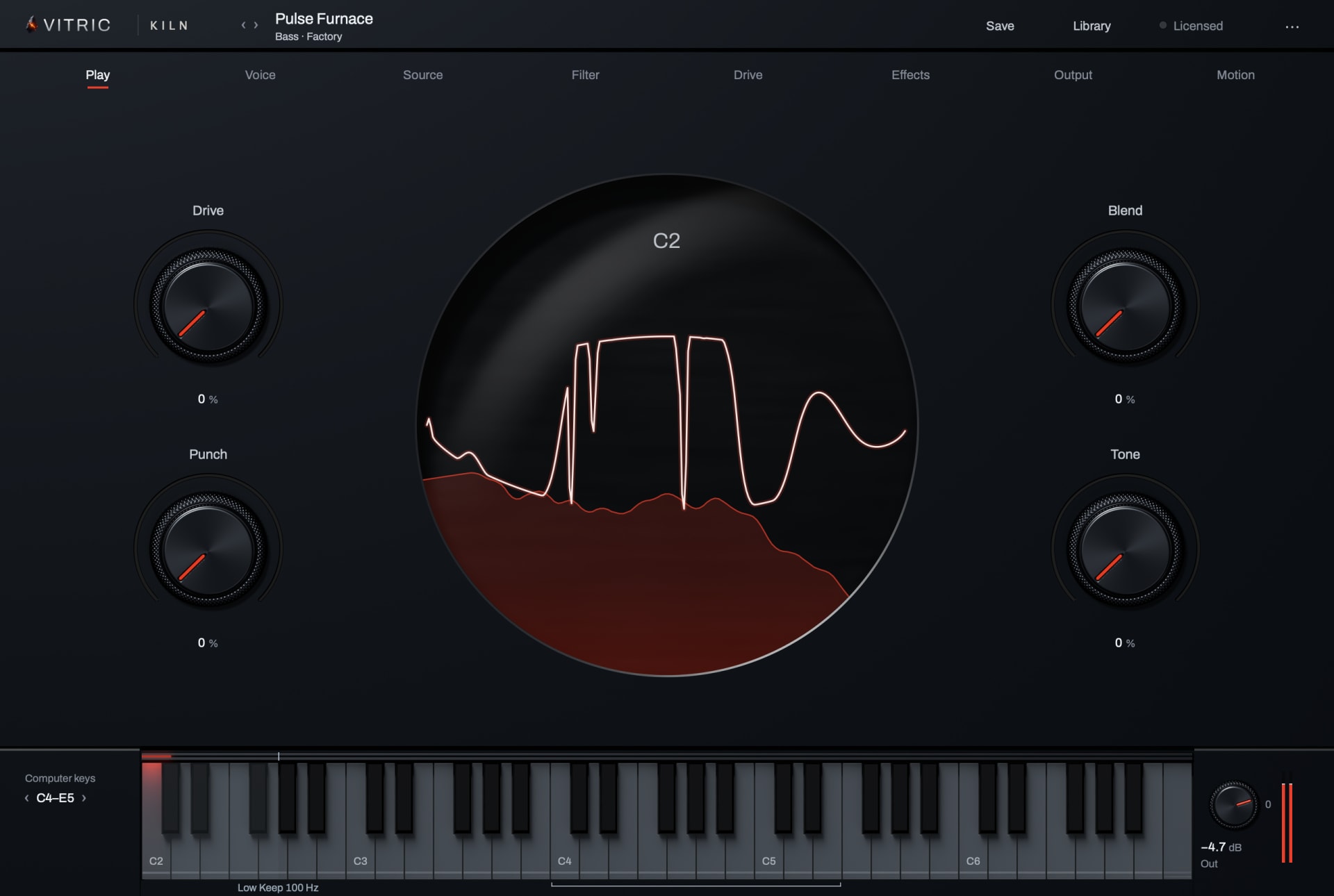
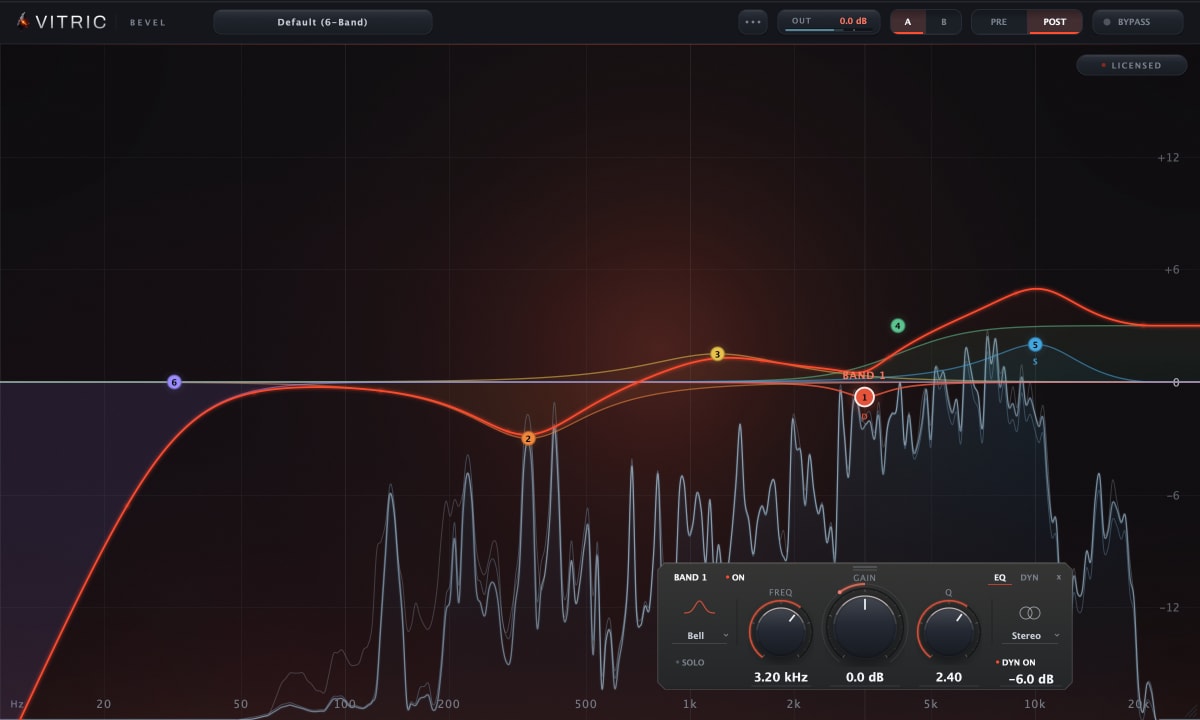
- Plugins. Instruments and effects beyond what the DAW includes. Both Kiln Synthesizer and Bevel EQ have a free 3-day trial, and the free Vitric tools run in your browser.
Then learn the steps one at a time: how to make a song, what a synthesizer is and how to mix a song.
Questions
Is a music producer the same as a beatmaker?
The two overlap. A beatmaker makes the instrumental; the producer role is wider, and also covers arranging, guiding performances and making the final calls on the record.
Do producers write the songs?
Sometimes. Some producers write and arrange; others work on songs written by the artist. Some artists produce their own work.
Can you learn music production at home?
Yes. Since the 1990s a home computer and a DAW have been enough to learn production, and some producers reach a professional level before they ever work with an artist.